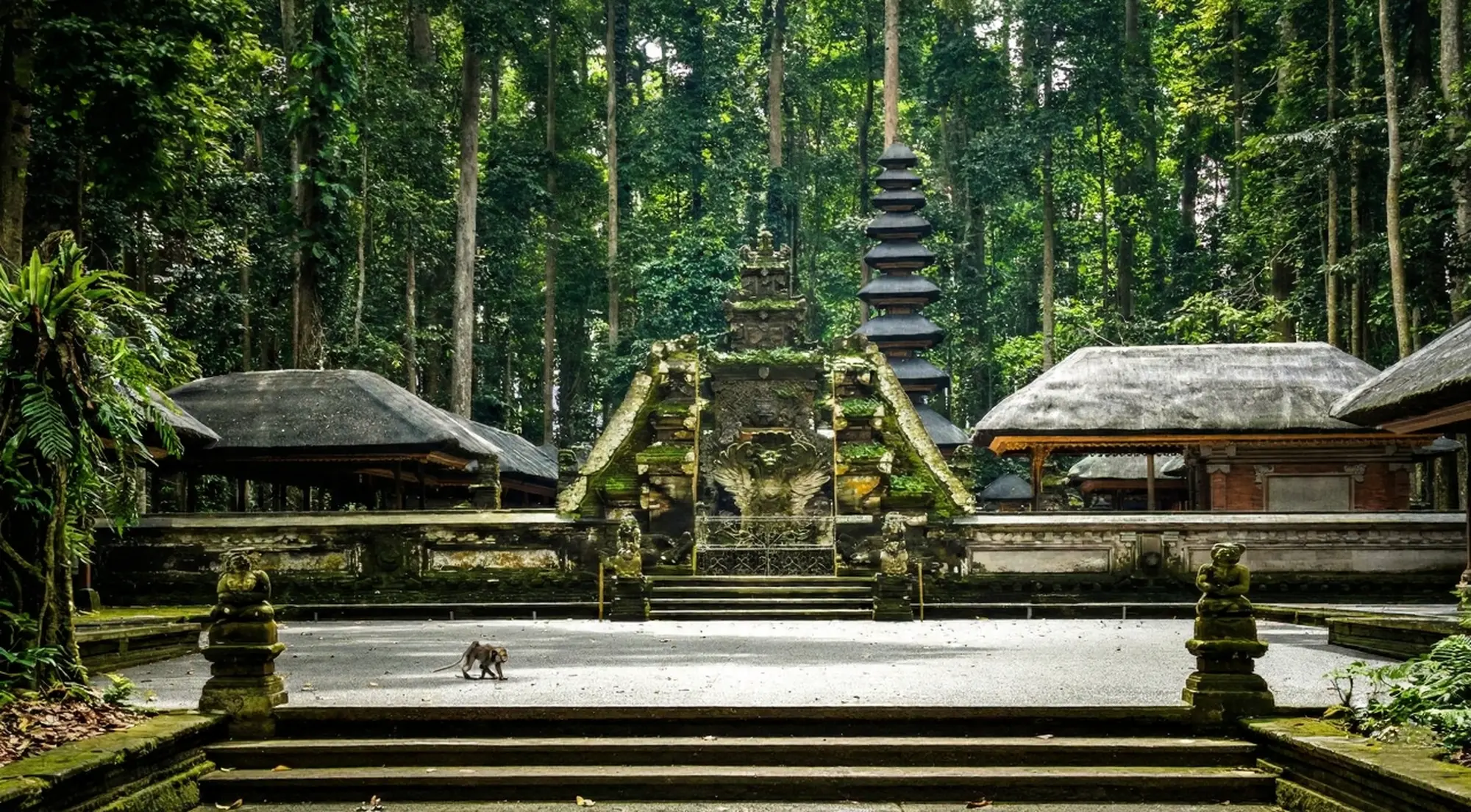
Bali isn't just an island of stunning beaches and rice terraces. Beneath its natural beauty lies a profound spiritual energy that has drawn seekers, travelers, and pilgrims for centuries. The Bali sacred locations scattered across this Indonesian paradise are more than tourist attractions—they're living centers of power, devotion, and ancient wisdom.
Exploring these sacred sites alone offers a unique opportunity for personal reflection and spiritual connection. Without the distractions of group tours or rushed schedules, solo travelers can truly absorb the mystical atmosphere that makes these places special. Whether seeking blessings for new beginnings, spiritual cleansing, or simply a deeper understanding of Balinese culture, these eight sacred locations will transform your journey.
Understanding the Sacred Energy of Bali
Before diving into specific locations, it's important to understand why these sites hold such significance. Bali sacred locations are built on the concept of spiritual energy flow, or "taksu." Balinese Hindus believe certain places naturally emanate powerful spiritual vibrations, often where mountains meet rivers, where caves open to the earth, or where the sea crashes against dramatic cliffs.
These aren't merely beautiful backdrops. Each location serves as a portal between the physical and spiritual realms, places where prayers are amplified and blessings flow more freely. Local communities have recognized and honored these power spots for over a thousand years, building temples and creating rituals that maintain the sacred connection.
1. Goa Gajah (Blahbatuh, Gianyar): The Elephant Cave's Ancient Mystery
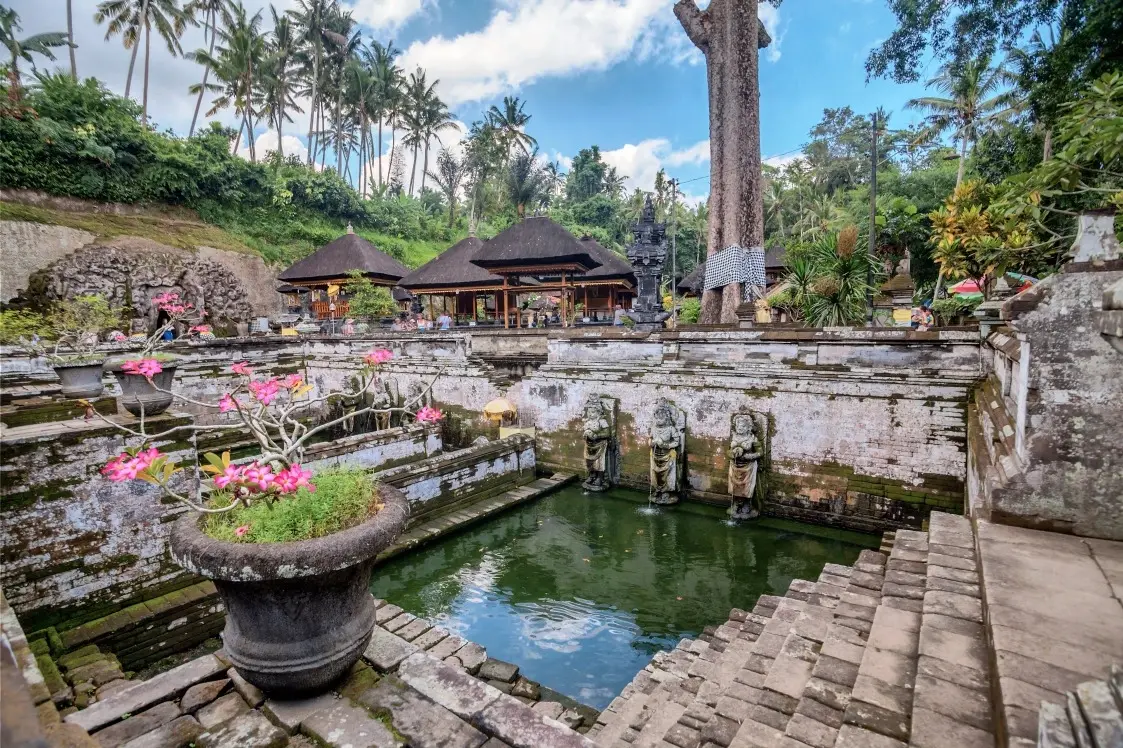
Goa Gajah, meaning "Elephant Cave," stands as one of Bali's most enigmatic sacred locations. Despite its name, no elephants live here—the designation likely comes from the nearby Petanu River, once called Elephant River, or from the stone carvings resembling elephant-headed deity Ganesha.
This 9th-century archaeological site combines Hindu and Buddhist influences, featuring a menacing carved entrance that appears like a demon's mouth. Inside the cave, visitors discover meditation niches carved into rock walls and lingam stones representing divine creative energy. The cave served as a spiritual hermitage where ancient monks meditated in darkness, seeking enlightenment.
Solo travelers appreciate Goa Gajah's contemplative atmosphere. The bathing pools outside, fed by sacred spring water and guarded by stone nymphs, offer purification opportunities. Visit early morning to experience the site's power before crowds arrive.
Practical Information:
- Location: View Goa Gajah on map
- Entry ticket details: International adults Rp 50,000, children Rp 25,000
- Opening hours: 8 AM - 5 PM daily
2. Tirta Empul (Tampaksiring, Gianyar): Waters of Eternal Purification
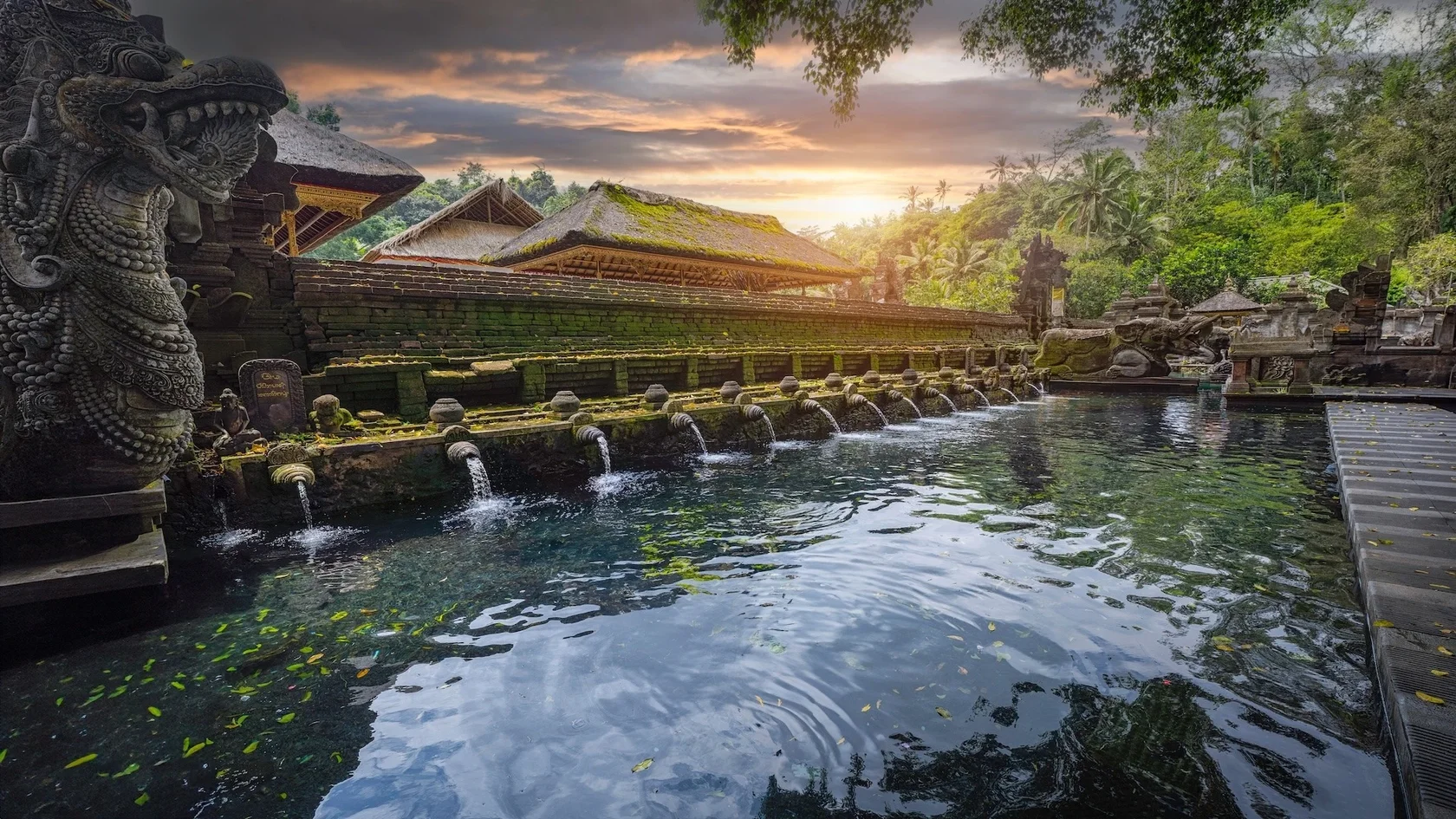
Among all Bali sacred locations, Tirta Empul holds special significance for spiritual cleansing. This holy spring temple, dating back to 960 AD, features crystal-clear pools fed by sacred springs that never run dry, even during Bali's driest seasons.
The temple's purification ritual, known as "melukat," involves bathing under 30 different fountains, each with specific spiritual purposes—from removing negative energy to inviting prosperity and health. Balinese Hindus travel here for major life transitions, seeking blessings before marriages, business ventures, or after recovering from illness.
Exploring Tirta Empul alone allows travelers to move through the purification process at their own pace. Sarongs are available for rent, visitors can join the line of devotees, and immerse themselves fully in this ancient cleansing tradition. The experience transcends tourism—it's a genuine spiritual practice that visitors are welcome to participate in respectfully.
Practical Information:
- Location: View Tirta Empul on map
- Entry ticket information: International adults Rp 75,000, children Rp 50,000
- Best visiting time: Morning (8-10 AM) to avoid crowds
- Bring extra clothing for the purification ritual
3. Pura Uluwatu: Cliffside Guardian of the Southwestern Sea
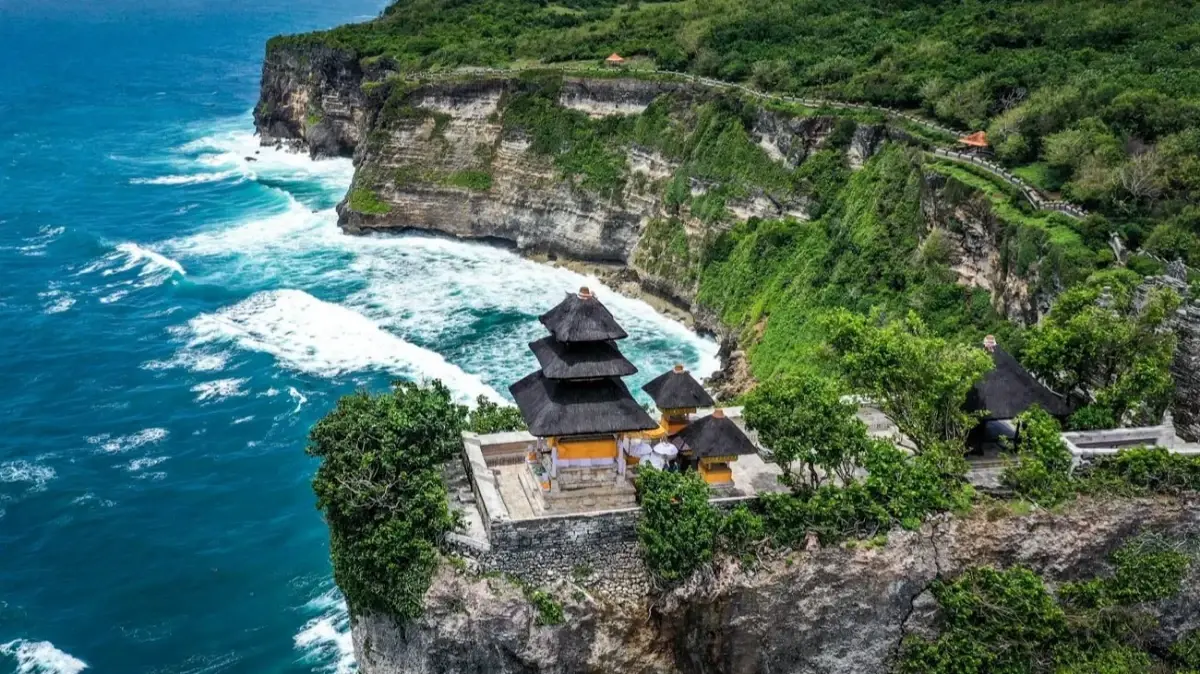
Perched 70 meters above the crashing Indian Ocean, Pura Uluwatu serves as one of Bali's six key spiritual pillars, protecting the island from evil spirits. This 11th-century temple occupies one of the island's most dramatic settings, where limestone cliffs meet endless blue horizons.
Uluwatu isn't just scenically spectacular—it's a directional temple, or "sad kahyangan", believed to guard Bali from negative forces approaching from the sea. The temple honors the sea gods and spirits of the southern ocean, a domain Balinese consider both beautiful and dangerous.
Solo travelers should visit for sunset when the temple glows golden against purple skies. Just watch for the cheeky monkeys who consider this temple their territory.
Practical Information:
- Location: View Pura Uluwatu on map
- Entry tickets: International adults Rp 60,000, children Rp 40,000; Domestic adults Rp 40,000, children Rp 30,000
- Important: Secure belongings from monkeys, avoid wearing loose accessories
4. Pura Besakih (Besakih, Karangasem): Mother Temple of Bali
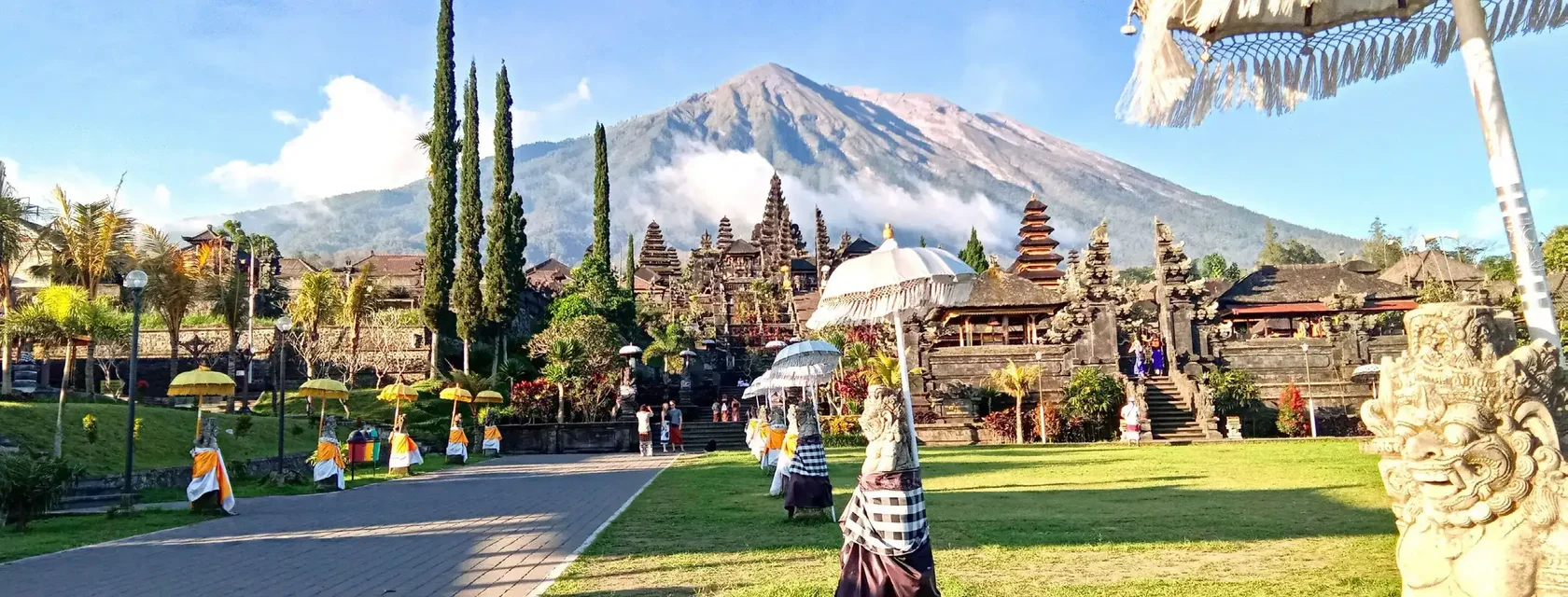
Pura Besakih reigns as the largest and holiest of all Bali sacred locations. Comprising 23 separate temples spread across the southwestern slopes of Mount Agung, Bali's most sacred volcano, this temple complex represents the spiritual heart of Balinese Hinduism.
The temple's position is no accident. Mount Agung is considered the dwelling place of gods and ancestral spirits. Building Besakih on its slopes creates a direct connection between heaven and earth, making it exceptionally powerful for prayers and offerings.
Each temple within the complex serves different purposes and deities. The central Pura Penataran Agung features three shrines representing the Hindu trinity: Brahma, Vishnu, and Shiva. Exploring alone here requires patience and respect, as Besakih remains an active worship site where daily ceremonies occur.
Practical Information:
- Location: View Pura Besakih on map
- Entry tickets: Domestic visitors Rp 80,000, international visitors Rp 150,000
- Included in ticket: Sarong rental, local guide service, electric golf cart from parking area to main gate, donation
- Tips for guides are appreciated but not mandatory
- Best time: Early morning for clearer mountain views and fewer crowds
5. Goa Lawah (Klungkung): The Sacred Bat Cave
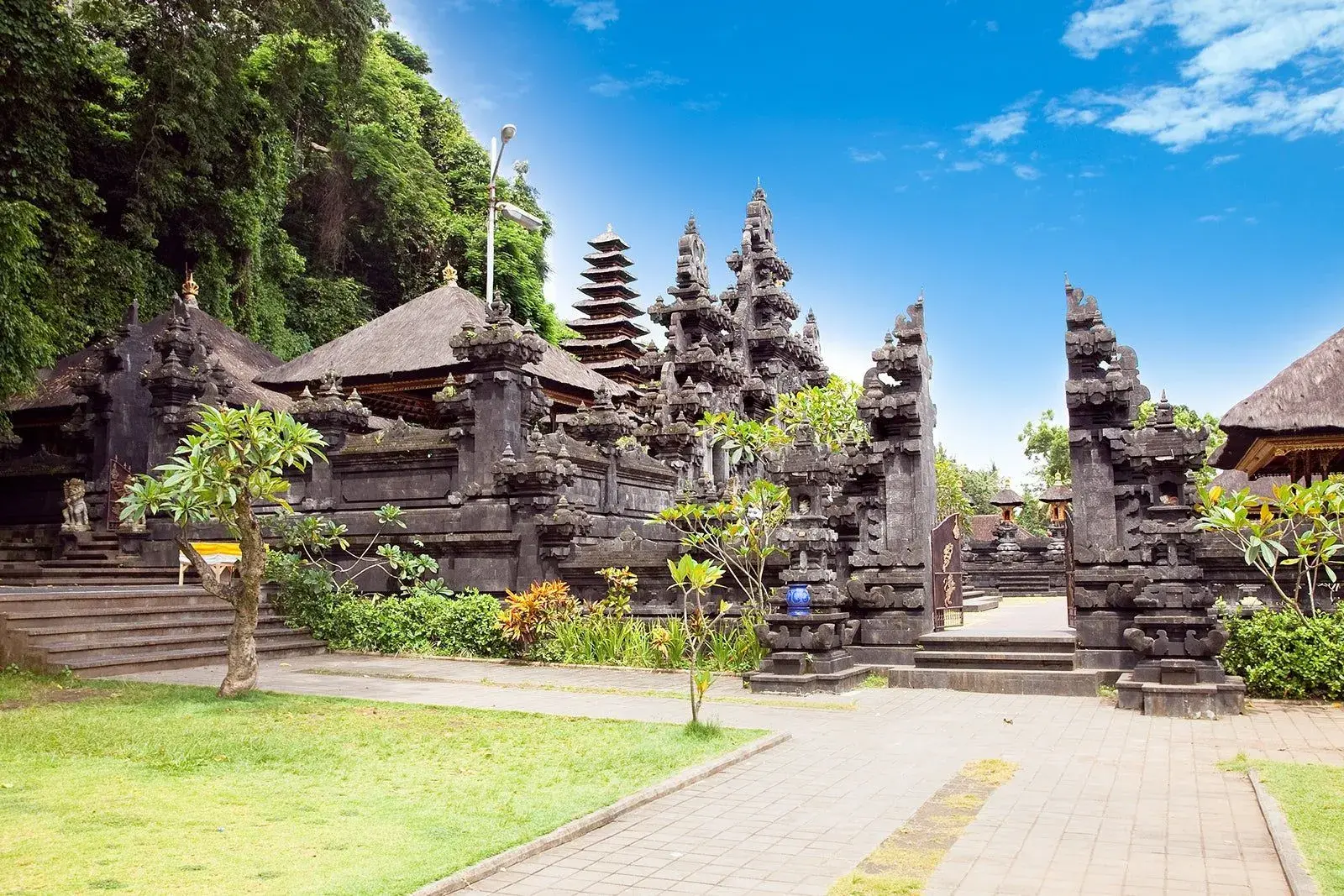
Goa Lawah presents one of the more unusual Bali sacred locations—a temple built directly at the mouth of a cave inhabited by thousands of bats. The cave tunnels allegedly stretch 30 kilometers underground, connecting to Besakih temple at Mount Agung's base.
This 11th-century temple serves as another directional temple protecting Bali from evil forces. The constant presence of bats symbolizes the balance between light and darkness, life and death. Balinese Hindus believe the cave serves as a gateway to the underworld, making it crucial for funeral ceremonies and ancestor worship.
Solo visitors often find Goa Lawah less crowded than other sacred sites, offering genuine moments of contemplation. The sound of thousands of bat wings creates an otherworldly atmosphere that reminds travelers of nature's integral role in Balinese spirituality.
Practical Information:
- Location: View Goa Lawah on map
- Entry tickets: Domestic adults Rp 15,000, children (5-12 years) Rp 10,000; International adults Rp 25,000, children Rp 15,000
- Sarong rental: Rp 5,000 per person
6. Tanah Lot (Tabanan): Island Temple of Eternal Waves
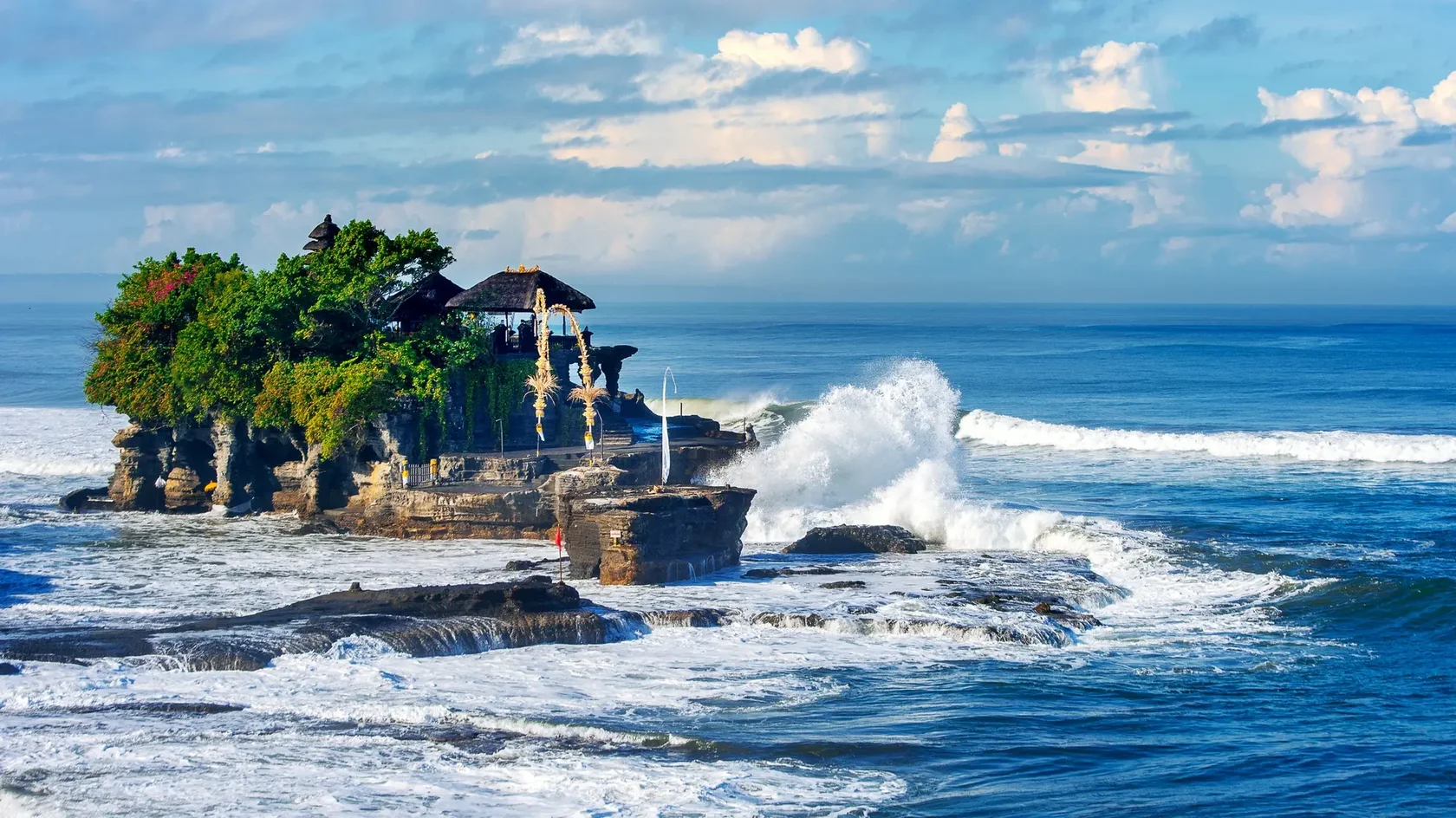
Tanah Lot ranks among the most photographed Bali sacred locations, but its spiritual significance extends far beyond Instagram appeal. This sea temple sits on a large offshore rock formation, accessible only during low tide, surrounded by crashing waves that have shaped its foundation for centuries.
The temple honors the sea god Baruna and serves as part of a chain of sea temples protecting Bali's coastline. Legend says the 16th-century priest Nirartha created the rock formation and temple, instructing locals to worship the sea's power.
Visitors exploring Tanah Lot alone during low tide can walk across to the rock's base. Holy spring water flows from the rock—locals and visitors alike receive blessings from temple priests who offer the sacred water. The sunset here is magnificent, but the true spiritual experience comes from understanding the temple's protective role in Bali's cosmic balance.
Practical Information:
- Location: View Tanah Lot on map
- Official ticket information: Domestic adults Rp 30,000, children (5-10 years) Rp 20,000; International adults Rp 75,000, children Rp 40,000
- Best visiting time: Late afternoon for sunset (temple closes around 7 PM)
7. Pura Gunung Kawi (Tegalalang, Gianyar): Valley of the Kings
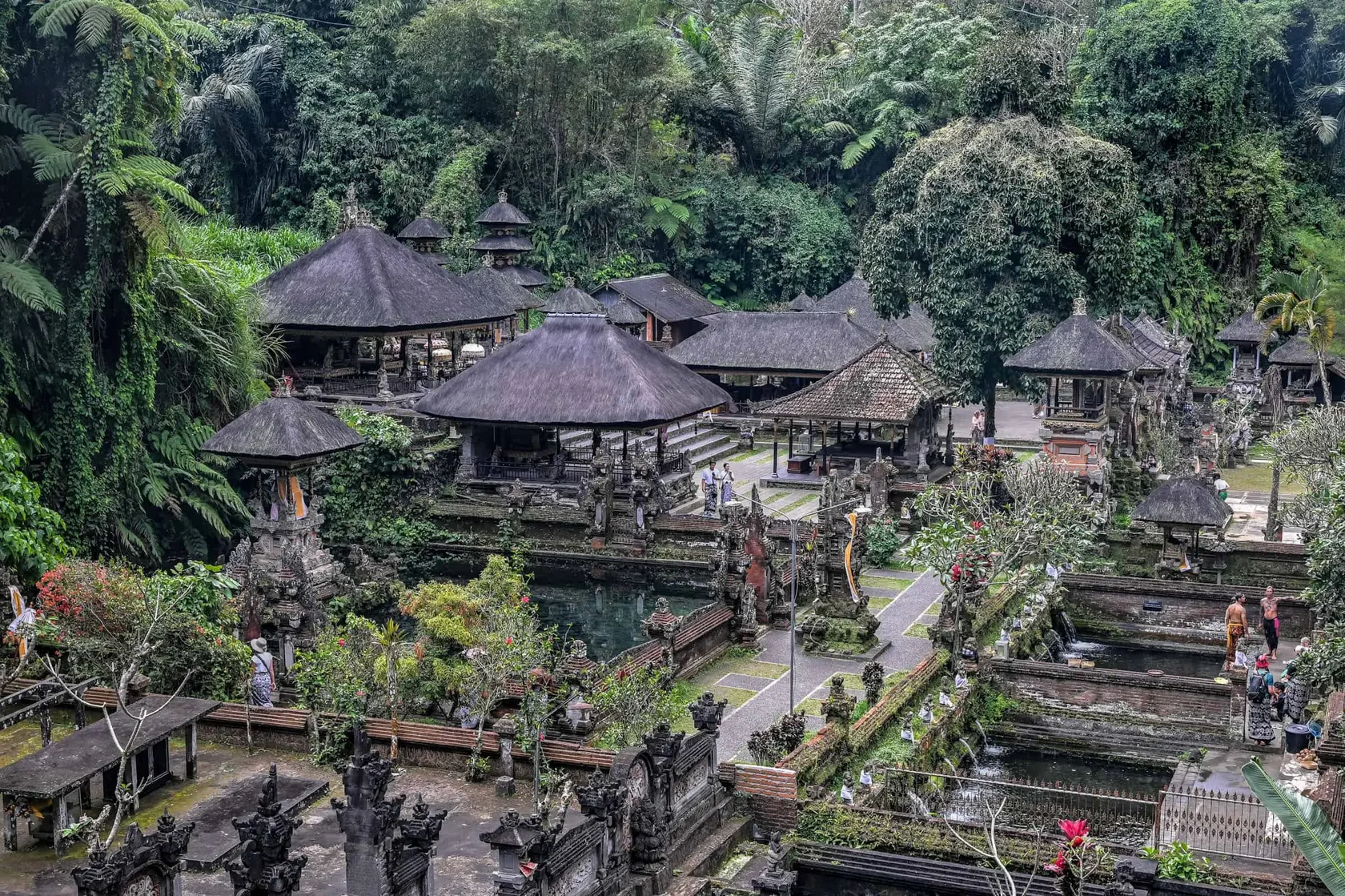
Descending 315 steps into the Pakerisan River valley, travelers discover Pura Gunung Kawi, one of Bali's most atmospheric sacred locations. This 11th-century temple complex features ten 7-meter-tall shrines carved directly into rock faces, creating an architectural marvel that blends seamlessly with the surrounding jungle.
These shrines honor Balinese royalty, serving as memorials to King Anak Wungsu and his favorite queens. The valley setting, surrounded by emerald rice terraces and tropical forest, creates a profound sense of peace and timelessness.
Solo explorers find Gunung Kawi particularly rewarding. The journey down the valley becomes a moving meditation, and the temple's remoteness offers solitude rare among Bali sacred locations. The sound of the river, rustling bamboo, and chanting monks creates a natural symphony that facilitates deep spiritual connection.
Practical Information:
- Location: View Pura Gunung Kawi Sebatu on map
- Entry tickets: International adults Rp 50,000, children Rp 25,000
- Physical requirements: 315 steps down (and back up), wear comfortable shoes
8. Pura Dalem Taman Kaja (Ubud, Gianyar): Blessings for New Beginnings
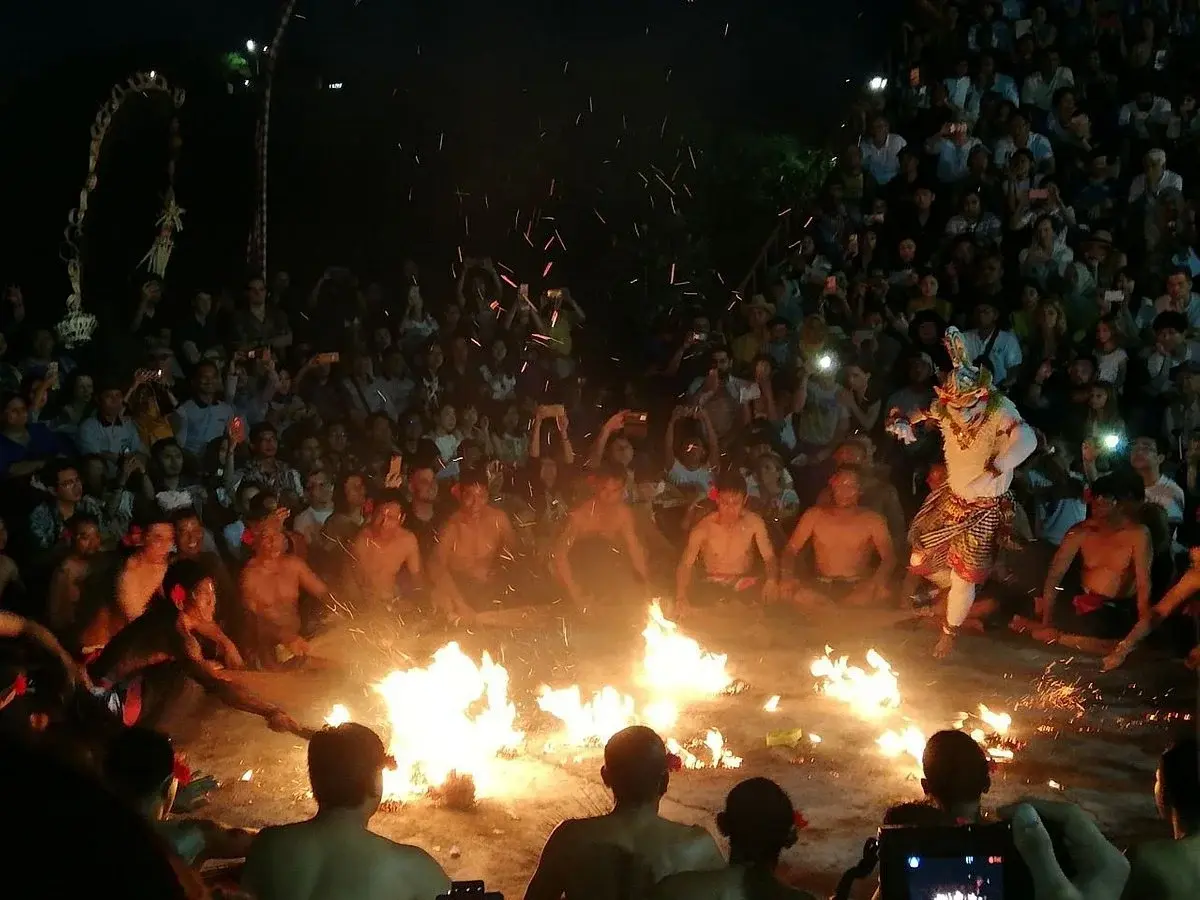
Located in Ubud's cultural heart, Pura Dalem Taman Kaja holds special significance for those embarking on new chapters. This sacred temple attracts Balinese locals seeking blessings for new businesses, homes, marriages, and other major life transitions.
The temple's proximity to accommodations like Eden Ubud isn't coincidental. Ubud itself sits at a spiritual convergence point where artistic energy and sacred power intertwine. Many wellness centers, retreats, and establishments intentionally locate near Pura Dalem Taman Kaja to benefit from its auspicious energy.
Visitors seeking fresh starts often visit this temple for prayer and offerings. The temple's regular blessing ceremonies welcome respectful participants, offering genuine spiritual experiences rather than tourist performances. Solo travelers particularly appreciate the authentic local atmosphere and opportunity to witness daily Balinese spiritual practices.
What makes Pura Dalem Taman Kaja especially unique is its traditional Kecak fire dance performances. Every Wednesday and Friday evening, the temple courtyard transforms into a mesmerizing theater where ancient stories come alive through rhythmic chanting and dramatic dance movements, all illuminated by flickering flames.
Practical Information:
- Location: View Pura Dalem Taman Kaja on map
- Temple entry: Free (donations appreciated)
- Kecak fire dance performance: Every Wednesday and Friday evening
- Performance tickets: Rp 100,000 (purchase directly at location, 30 minutes before show starts)
- Temple visits welcome during daylight hours for prayer and exploration
Eden Lounge Ubud: A Sacred Sanctuary for Modern Travelers
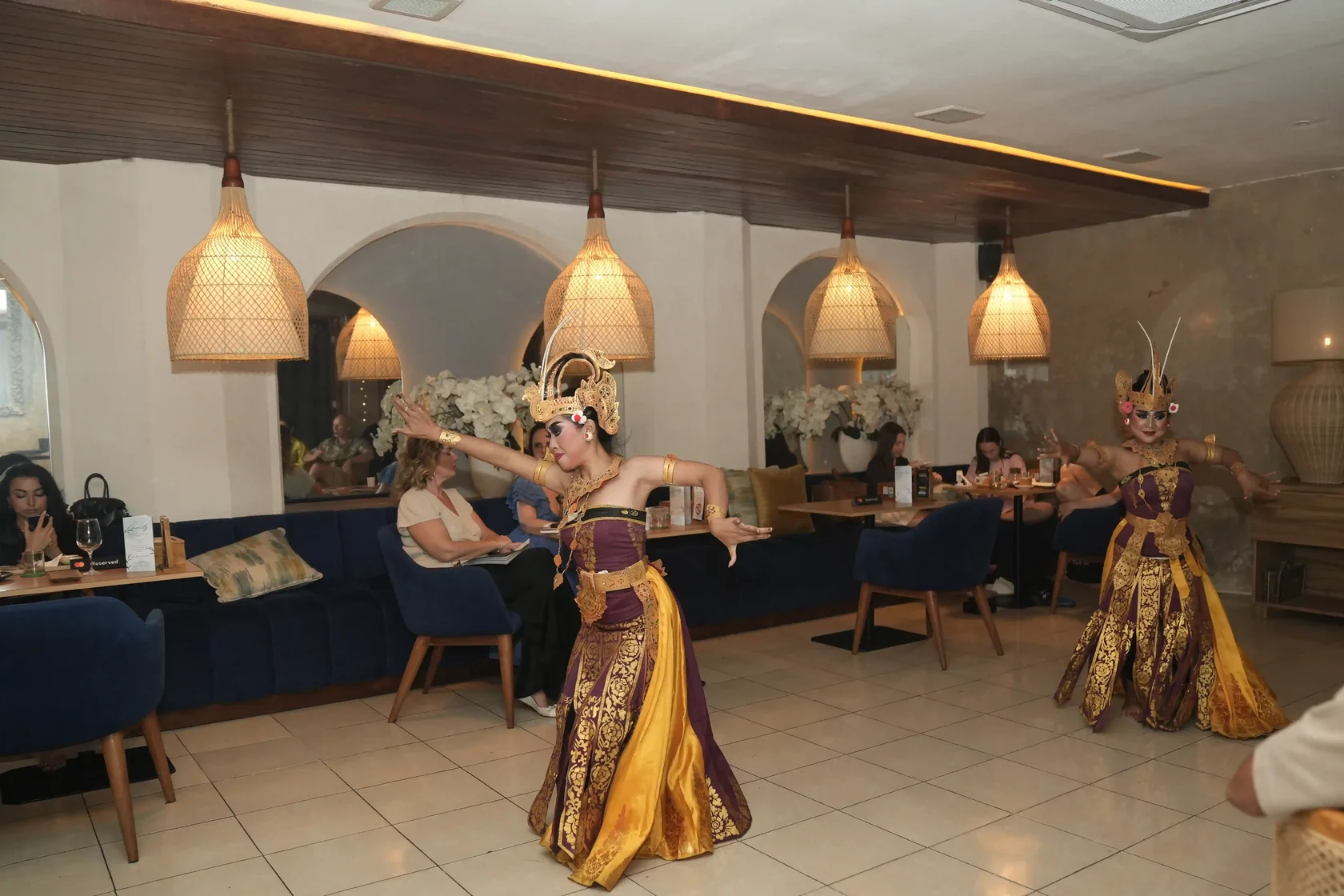
For those exploring Bali sacred locations in the Ubud area, Eden Lounge Ubud offers a unique retreat experience strategically positioned within the spiritual heart of the island. Located near Pura Dalem Taman Kaja and the historic Puri Ubud (Ubud Royal Palace), this modern sanctuary benefits from the concentrated sacred energy that defines this cultural district.
The location is no coincidence. Ubud's network of temples creates an energetic grid that local Balinese have recognized for centuries. Eden Lounge Ubud sits at this spiritual crossroads, where travelers can rest and rejuvenate between temple visits while remaining connected to the area's sacred atmosphere.
Many solo travelers choose Eden Lounge Ubud as their base for exploring nearby sacred sites. The proximity to Pura Dalem Taman Kaja means guests can easily participate in morning blessing ceremonies before the tourist crowds arrive. The surrounding temples—including several family temples and community shrines—create a living spiritual environment that extends beyond designated tourist hours.
The lounge itself reflects Balinese design principles that honor sacred geometry and natural energy flow. Guests often report feeling the peaceful resonance of nearby temples, particularly during ceremony days when gamelan music and prayer chants drift through Ubud's streets.
For those interested in experiencing authentic spiritual Ubud, Eden Lounge provides more than accommodation—it offers immersion in a neighborhood where sacred and daily life intertwine seamlessly. Staff members, many local to Ubud, can guide guests to lesser-known temples and explain the significance of ongoing ceremonies visible from the property.
Contact Information:
- Location: Get Directions
- Reservation: WhatsApp
- Instagram: @edenloungeubud
Solo travelers particularly appreciate Eden Lounge's position as a launching point for sacred site exploration. Within walking distance, one can access multiple temples, the Ubud Art Market, sacred monkey forest trails, and the royal palace—all while returning each evening to a peaceful sanctuary that respects and reflects the area's spiritual heritage.
After a day of temple exploration, guests can unwind with premium shisha offerings in a relaxed atmosphere. The lounge provides a contemporary space where spiritual seekers can reflect on their temple experiences while enjoying quality refreshments and the signature shisha menu, creating a perfect balance between cultural immersion and modern comfort.
Practical Tips for Exploring Bali Sacred Locations Alone
Visiting these sacred sites solo requires cultural sensitivity and practical preparation. Travelers should always dress respectfully with a sarong and temple scarf, available for rent at most locations. Women experiencing menstruation traditionally shouldn't enter temple grounds—this ancient custom relates to purification concepts, not judgment.
Arriving early morning helps beat crowds and experience the temples' peaceful energy. Bringing small bills for entrance fees, parking, and offering purchases proves essential. Learning basic Balinese greetings and showing respect to worshippers matters greatly—these are active religious sites, not museums.
Hiring local guides can explain spiritual significance and proper etiquette. Their knowledge transforms visits from sightseeing into genuine cultural education. Many accommodations near sacred sites, including Eden Lounge Ubud, can arrange knowledgeable guides familiar with both major temples and hidden spiritual locations.
The Transformative Power of Sacred Exploration
Exploring Bali sacred locations alone offers more than beautiful photographs and checked boxes on a bucket list. These powerful sites provide opportunities for genuine spiritual connection, personal reflection, and cultural understanding. Each temple, cave, and sacred spring carries centuries of prayer, devotion, and spiritual energy that you can feel when you approach with openness and respect.
Whether you're seeking purification at Tirta Empul, blessings for new ventures at Pura Dalem Taman Kaja, or simply the profound peace found in Gunung Kawi's river valley, Bali's sacred locations offer transformative experiences for solo travelers willing to slow down, observe, and connect.
The island's spiritual energy isn't reserved for Balinese Hindus alone—it welcomes all sincere seekers. Your solo journey through these ancient sites might just become the most meaningful part of your Bali adventure.
Frequently Asked Questions About Bali Sacred Locations
Q: Is it safe to explore Bali sacred locations alone?
A: Yes, exploring Bali sacred locations solo is generally very safe. Balinese people are welcoming to respectful visitors. Solo travelers should follow standard safety practices: arrive during daylight hours, inform accommodation staff of plans, keep valuables secure, and stay aware of surroundings. Temple areas are typically well-maintained with other visitors present.
Q: What should I wear when visiting temples in Bali?
A: Visitors must wear a sarong and temple scarf (selendang) when entering Bali sacred locations. Shoulders and knees should be covered. Many temples offer sarong rentals at the entrance for a small fee (usually 10,000-20,000 IDR). Avoid wearing revealing clothing or swimwear. Modest, respectful attire shows cultural appreciation.
Q: Can I visit temples during my menstrual period?
A: Traditional Balinese Hindu custom advises women not to enter temples during menstruation, as temples are considered spiritually pure spaces. This isn't meant as judgment but relates to purification concepts in Balinese Hinduism. Many female travelers respect this tradition and plan temple visits accordingly.
Q: Do I need a guide to visit Bali sacred locations?
A: While not mandatory, hiring a knowledgeable guide enhances the experience significantly. Guides explain spiritual significance, proper etiquette, and temple history that visitors might otherwise miss. For major sites like Besakih, guides help navigate the complex and avoid unofficial "guides" requesting excessive fees. Solo travelers can book guides through reputable accommodations like Eden Lounge Ubud.
Q: What's the best time to visit Bali temples?
A: Morning (8-10 AM) offers the best temple experience—fewer crowds, cooler temperatures, and often the chance to witness morning ceremonies. Late afternoon works well for clifftop temples like Uluwatu and Tanah Lot, where sunset creates magical atmospheres. Avoid visiting during major ceremonies unless invited, as temples become extremely crowded with worshippers.
Q: How much do entrance fees cost at Bali sacred locations?
A: Entrance fees vary by location and visitor category (domestic vs. international). Here's a comprehensive breakdown:
- Goa Gajah: International adults Rp 50,000, children Rp 25,000
- Tirta Empul: International adults Rp 75,000, children Rp 50,000
- Pura Uluwatu: International adults Rp 60,000, children Rp 40,000
- Pura Besakih: International visitors Rp 150,000 (includes sarong, guide, and electric cart)
- Goa Lawah: International adults Rp 25,000, children Rp 15,000
- Tanah Lot: International adults Rp 75,000, children Rp 40,000
- Gunung Kawi: International adults Rp 50,000, children Rp 25,000
- Pura Dalem Taman Kaja: Free entry (Kecak performance Rp 100,000)
Parking fees typically add Rp 2,000-5,000 for motorcycles and Rp 5,000-10,000 for cars. Sarong rental costs Rp 5,000-10,000 where not included. Always bring Indonesian Rupiah in small denominations for easier transactions.
Q: Can non-Hindus participate in purification rituals?
A: Yes, respectful visitors are welcome to participate in purification ceremonies like melukat at Tirta Empul. The Balinese appreciate when visitors engage sincerely with their spiritual practices. Follow the lead of local worshippers, dress appropriately, and approach with genuine respect rather than treating it as entertainment.
Q: Are there dress code requirements beyond sarongs?
A: Beyond sarongs, avoid wearing hats or sunglasses inside temple areas, remove shoes when required (signs usually indicate this), and don't position yourself higher than priests during ceremonies. Some temples request additional covering for those with tattoos, though this varies by location.
Q: How do I make offerings at temples?
A: Small offerings (canang sari) are available for purchase at temple entrances, typically costing 5,000-10,000 IDR. Place offerings in designated areas, never on the ground where people walk. When presenting offerings, use your right hand or both hands—the left hand alone is considered impolite in Balinese culture.
Q: Where should I stay when exploring sacred sites in Ubud?
A: For those focusing on Ubud's sacred locations, staying near the temple district provides easy access to multiple sites. Eden Lounge Ubud offers strategic positioning near Pura Dalem Taman Kaja and Puri Ubud, allowing travelers to walk to temples and return to a comfortable retreat with amenities like shisha lounge for evening relaxation. The location provides authentic immersion in Ubud's spiritual atmosphere.
Q: Can I take photos inside Bali temples?
A: Photography policies vary by temple. Most allow photos in outer courtyards but prohibit them in inner sanctums or during ceremonies. Always ask permission before photographing worshippers or priests. Some temples charge small photography fees. Drones are generally prohibited at sacred sites.
Q: What's the difference between a pura, a temple, and a shrine?
A: "Pura" is the Balinese word for temple—a Hindu place of worship. Temples can contain multiple shrines dedicated to different deities or purposes. Shrines are individual structures within temple complexes. Family compounds also have small shrines for ancestor worship, separate from public temples.
Q: Do I need to book temple visits in advance?
A: Most Bali sacred locations don't require advance booking—visitors can arrive during opening hours and purchase entrance tickets on-site. However, if seeking specific blessing ceremonies or guided spiritual experiences at places like Tirta Empul, coordinating with a guide beforehand ensures proper timing and preparation.
Q: How long should I spend at each sacred location?
A: Allow 1-2 hours for most temples to explore properly without rushing. Larger complexes like Besakih or Gunung Kawi may warrant 2-3 hours. Solo travelers often find they need more time than group tours allow, as personal reflection and photography at their own pace requires patience.
Q: What should I do if approached by aggressive vendors or guides?
A: Politely but firmly decline unwanted services with "Tidak, terima kasih" (No, thank you). Don't engage in lengthy conversations if uninterested. At major sites like Besakih, unofficial guides can be persistent—having a pre-arranged guide or stating you already have one helps. Legitimate entrance fees are paid at official ticket booths, not to individuals.