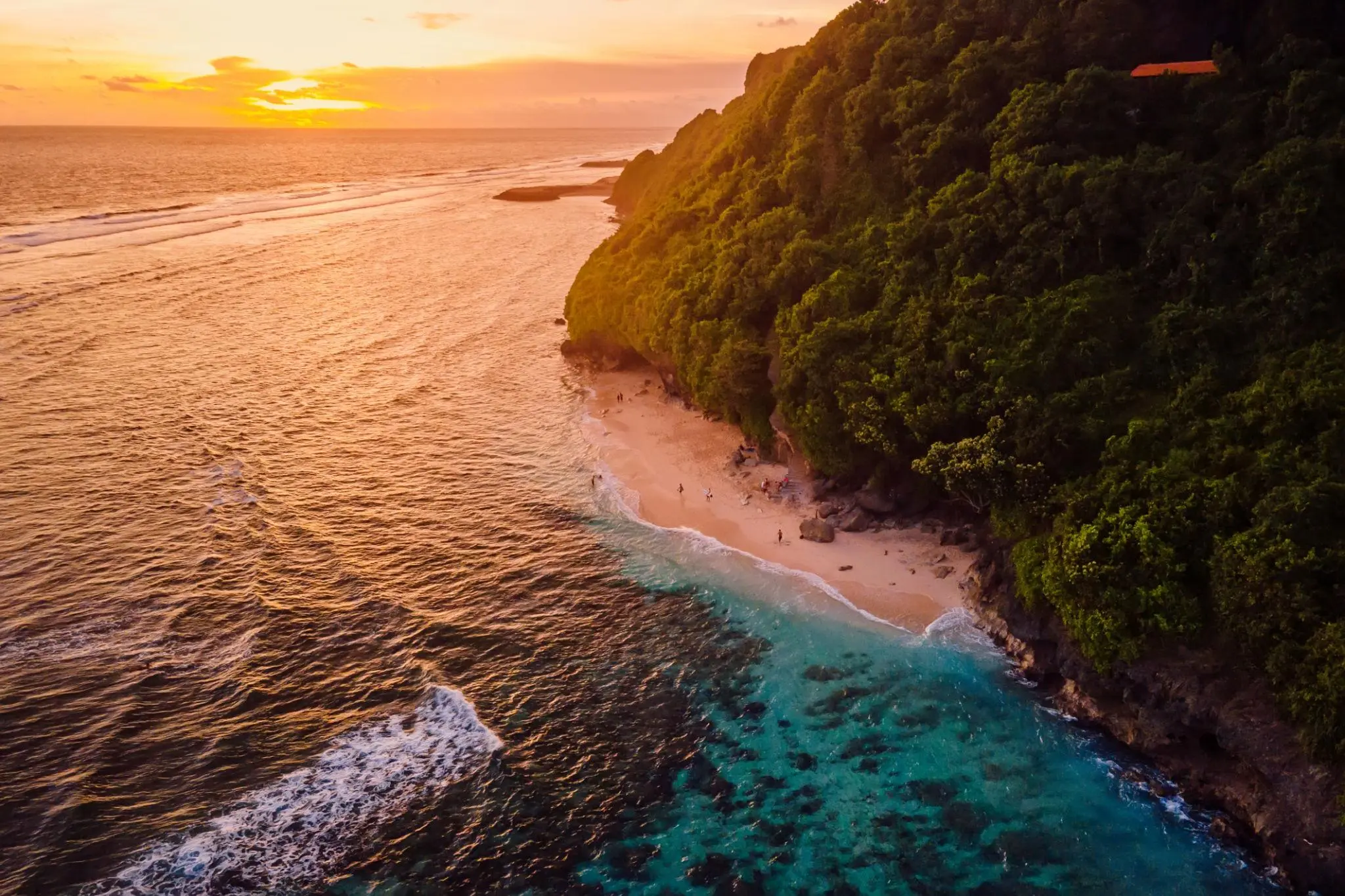
Planning a Bali itinerary feels simple until the map lies. Ubud and Uluwatu look close together online. In real traffic, they can be two hours apart.
This guide skips the guesswork. It covers how to structure a trip around Bali's regions, how long things actually take, and what to do once the sun goes down — because most itineraries stop planning at sunset.
What Can You Do in Bali for the First Time?
Bali suits very different kinds of holidays. The answer to this question depends on how you like to spend your time away.
Most first-time visitors lean towards one or two of the travel styles below. Choosing yours early makes the rest of the planning much easier.
1. Exploring Nature
Bali's nature covers a lot of ground, from waterfalls and volcanoes to reefs and rice terraces. The categories below are a starting point — a small selection of places to consider, not a ranked "best of" list.
Waterfalls
- Sekumpul, near Munduk in North Bali — the most dramatic option, but a genuine half-day excursion with a guided trek into the valley.
- Tegenungan and Tibumana, both close to Ubud — an easy stop of an hour or two, with no guide needed.
Mountains, Volcanoes and Highlands
- Mount Batur, in the Kintamani highlands — an active volcano climbed before dawn for the sunrise, and a half-day round trip from Ubud.
- Munduk, further north — cooler air, mountain views, and twin lakes, without the pre-dawn start.
Beaches
- Uluwatu and the Bukit Peninsula — dramatic cliffside beaches such as Padang Padang and Bingin, with surf to match.
- Canggu and Seminyak — easier beach access paired with cafes and beach clubs.
- Nusa Dua — calmer water, better suited to families or a relaxed swim.
Snorkelling, Diving and Marine Experiences
- Nusa Penida — manta rays and reef snorkelling, usually arranged as part of an island day trip.
- Amed and Tulamben, in East Bali — calmer diving, including a well-known shipwreck dive.
Nearby Islands
- Nusa Penida — a day trip or short overnight stay from a South Bali base, known for dramatic cliffs and viewpoints.
- Nusa Lembongan — a gentler, more relaxed alternative nearby.
- The Gili Islands, off Lombok — a longer boat transfer, better treated as a multi-day extension than a day trip.
Rice Terraces and Countryside Walks
- Tegalalang, just north of Ubud — the easiest to reach, and suited to a short stop.
- Jatiluwih, further west — larger, quieter, and better suited to travellers with their own transport and more time to spare.
Cliffs and Viewpoints
- Uluwatu Temple — one of Bali's most dramatic clifftops, usually visited at sunset.
- Kelingking Beach, on Nusa Penida — a steep viewpoint best combined with an island day trip.
- Lempuyang, in East Bali — the longest drive of the three, and the longest queue.
A handful of these are covered in more detail further down, including how to get there, how long to allow, and roughly what each one costs.
2. Cultural Experiences and Temple Visits
Temples, ceremonies, dance performances, and traditional villages make up most of Bali's cultural experiences. Ubud and the surrounding area offer the most, with a few standout additions elsewhere on the island.
Water Temples
- Tirta Empul, near Tampaksiring — around 30–45 minutes from central Ubud, this holy spring temple is where locals and visitors take part in a ritual purification bathing ceremony.
- Ulun Danu Beratan, in the Bedugul highlands — around 1.5–2 hours from Ubud, a lake temple often photographed with its towers appearing to float on the water.
Major Temple Complexes
- Pura Besakih, on the slopes of Mount Agung — Bali's largest and holiest temple complex, made up of more than twenty individual temples, around 1.5–2 hours from Ubud.
- Uluwatu Temple, on the southern tip of the Bukit Peninsula — a clifftop sea temple usually visited at sunset, with the Kecak Fire Dance as a popular add-on (see the Nature Highlights section further down for full details).
Palaces and Old Towns
- Ubud Palace (Puri Saren Agung), in central Ubud — a royal palace open to the public, an easy stop alongside the art market and old town.
Traditional Villages
- Penglipuran Village, in Bangli — around 1–1.5 hours from Ubud, a well-preserved traditional village known for its uniform architecture and car-free main street.
Between these and the temples already covered under Nature above, most first-time visitors will find more cultural ground here than a single trip can realistically cover.
3. Sports and Outdoor Activities
Between the surf breaks, dive sites, and watersports, Bali covers most bases for an active traveller.
Surfing
- Uluwatu and the Bukit Peninsula (Padang Padang, Bingin, Uluwatu) — some of Bali's best reef breaks, generally better suited to more experienced surfers.
- Canggu (Batu Bolong, Echo Beach) — a good spread of beginner to intermediate breaks, with surf schools close by.
Snorkelling
- Nusa Penida (Crystal Bay, Manta Point) — the main spot for manta rays and coral, usually arranged as part of a full-day island trip.
- Amed and Tulamben, in East Bali — calmer conditions, with easy snorkelling straight off the beach.
Diving
- Tulamben — home to the USAT Liberty shipwreck, one of Bali's best-known dive sites and suitable for most experience levels.
- Nusa Penida — deeper dives, with a seasonal chance of spotting mola-mola (sunfish) alongside manta rays.
Jetski and Watersports
- Tanjung Benoa — Bali's watersports hub, with jetski, parasailing, banana boat, and flyboard all available along one stretch of beach.
Parasailing and Paragliding
- Tanjung Benoa — parasailing over calm water, a straightforward option for beginners and families.
- Timbis, near Uluwatu — paragliding off the clifftop, weather-dependent, for a more adrenaline-heavy view of the coastline.
Most of these can be booked on the day through a local operator, though diving trips and paragliding are worth arranging ahead of time in peak season.
4. Relaxed Evenings: Food, Shisha and Live Music

Some travellers prefer a slower, more relaxed gastronomical tour. This style is built around good food, long conversations, shisha, live music, and comfortable places to spend an evening rather than a packed schedule.
Bali's dining scene ranges from local warungs to modern restaurants and lounges. Eden Hookah Club fits naturally into this style, combining food, shisha, live music, and relaxed spaces across its locations in Seminyak, Canggu, Ubud, and Uluwatu. With 300+ shisha flavours to choose from, there is plenty of variety for longer sessions or casual evenings.
Each location has its own atmosphere, making it easy to include Eden in different parts of a Bali itinerary. The lounges can also work as casual coworking spaces during the day, giving travellers a place to work, relax, meet friends, or transition into an evening out.
5. Spa and Wellness
Bali is well known for affordable spa treatments, yoga, and wellness retreats. Ubud remains the spiritual home of this scene, though some of the island's best-known named spas are actually further south.
Spas to consider
- Sundari Day Spa, Seminyak — traditional Balinese-inspired treatments in a quieter, more intimate setting, built around natural oils and materials.
- Bodyworks Spa, Seminyak — a long-running Bali institution known for classic Balinese massage in a colourful, photogenic setting.
- Ulaman Eco Retreat, in Tabanan — around 40–60 minutes from South Bali, a jungle retreat with a riverside spa and treehouse setting, better suited to a half-day or overnight trip than a quick visit.
- Jaens Spa Center, Ubud — a long-running Ubud spa built around bamboo, stone, and water, combining traditional Balinese techniques with more modern treatments.
- Hesa Wellness Spa, Ubud — known for its multi-hour "Balinese Bliss" ritual, including a steam room and a hot-and-cold bath sequence before the massage itself.
- Ubud Traditional Spa, in Payogan — around 5km from central Ubud, set in a quiet jungle village and known for the synchronised two-therapist Ubud Royal Massage.
- Traditional Balinese massage — widely available at both budget local spots and upscale resorts, and a reasonable starting point for first-timers.
Good options exist across the south as shown above, but Ubud is still the easiest base for combining a spa visit with yoga classes and wellness retreats.
6. Shopping and Local Markets
Seminyak is the easiest base for boutiques, homeware, and local designers. Ubud is better suited to art, crafts, and markets.
Malls
- Seminyak Village, Seminyak — a modern two-storey mall with a mix of local and international fashion boutiques.
- Beachwalk, Kuta — a large beachfront mall with a wide retail and dining mix, plus a cinema.
- Trans Studio Mall Bali, Denpasar — a family-oriented shopping and entertainment complex featuring retail, dining, and indoor entertainment.
- Mal Bali Galeria, Kuta — a convenient shopping centre near the airport area, with fashion stores, restaurants, everyday shopping, and entertainment.
- Living World Denpasar — a large modern shopping and lifestyle destination with a broad selection of retail, dining, and entertainment options.
Markets and Bazaars
- La Brisa Sunday Market, Canggu — a weekly market at La Brisa Beach Club on Echo Beach, running 10am–4pm with organic produce, clothing, and handmade goods.
- Pasar Badung, Denpasar — Bali's largest traditional market, open 24 hours across four floors, selling everyday produce, spices, and ceremonial supplies.
- Pasar Seni Sukawati, Gianyar — a long-running wholesale and souvenir market known for Balinese clothing, sarongs, and affordable crafts.
- Pasar Seni Ubud, central Ubud — a local produce market in the morning that shifts into souvenirs, clothing, and crafts as the day goes on.
- Pasar Seni Kumbasari, Denpasar — across the river from Pasar Badung on the same street, known for carvings, paintings, and souvenirs.
7. Beach Clubs and Nightlife
Canggu and Seminyak are the main hubs for this, with Uluwatu adding a few beach clubs of its own.
Beach Clubs
Most of Bali's beach clubs are in Canggu, Seminyak, and Uluwatu. The majority of visitors head to Savaya, Finn's Beach Club, Potato Head, and La Brisa between them.
- Savaya, Uluwatu — a large clifftop beach club and one of the newer big names in the south.
- Finn's Beach Club, Canggu — one of Canggu's most established beachfront clubs, with a large pool setup.
- Potato Head, Seminyak — a long-running Seminyak beach club known for its music program and sunset crowd.
- La Brisa, Canggu — a bohemian, driftwood-built beach bar right on Batu Bolong beach.
For something a little different, a few newer or less typical spots are worth exploring:
- Luna Beach Club, in Tabanan near Canggu — a large-scale venue built around bamboo architecture, with a cave club and cliff-top beer garden.
- Jungle Pool Club, Ubud — technically inland rather than on the beach, this covers jungle and rice-terrace pool clubs such as Kabana or The Jungle Club, an alternative to the coastal scene for travellers based around Ubud.
- Zumana, Kuta — a newly opened beachfront venue from the same group behind Savaya.
Clubs
For a proper night out, Seminyak and Canggu carry most of Bali's nightclub scene:
- ShiShi, Seminyak — a multi-level nightclub and izakaya lounge, one of the more polished clubbing options in the south.
- Miss Fish, Canggu/Berawa — a restaurant and lounge with a late-night bar and a Japanese-inspired menu.
- The Mesa, Berawa (Canggu) — a nightclub built around a Mexican restaurant and rooftop bar in one multi-storey venue.
- Iron Fairies, Seminyak — a steampunk-themed bar with nightly live music.
- La Favela, Seminyak — a jungle-themed venue known for its late-night parties.
- Mexicola, Seminyak and Canggu — a neon-lit Mexican cantina that turns into a dance floor as the night goes on.
Expect sunset beach clubs, rooftop bars, and late-night venues within a short distance of each other across all three areas.
Most first trips combine two or three of these styles. The itineraries below are built around that mix, so you can adjust the balance to suit your own plans.
How Many Days Do You Need in Bali?
There is no single ideal length for a Bali trip. The right number of days depends on how many regions you want to visit and how much time you want to spend on the road.
3–4 days is enough for a short escape, but it is better to focus on one area rather than trying to see the whole island. Choose a base such as Seminyak, Canggu, or Uluwatu and explore nearby beaches, restaurants, and sunset spots.
5–6 days gives you enough time to combine two main areas, such as South Bali and Ubud. This works well for first-time visitors who want a mix of beaches, culture, and nature without constantly changing hotels.
7 days works well for a first taste of Bali. You can spend several nights in South Bali and several nights in Ubud, while keeping enough time to explore without rushing between regions.
10 days adds breathing room and makes it possible to include the Nusa Islands. Two or three bases can give you a better balance of sightseeing, beach time, and slower evenings.
14 days suits travellers who want to slow down and explore beyond the main tourist hubs. This gives you room to add quieter areas such as Sidemen or Munduk without packing every day with activities.
The key is not to count attractions. Give each region enough time to enjoy it, and avoid spending your holiday crossing the island in traffic.
The Smart Way to Structure a Bali Itinerary: Hub and Spoke Bases
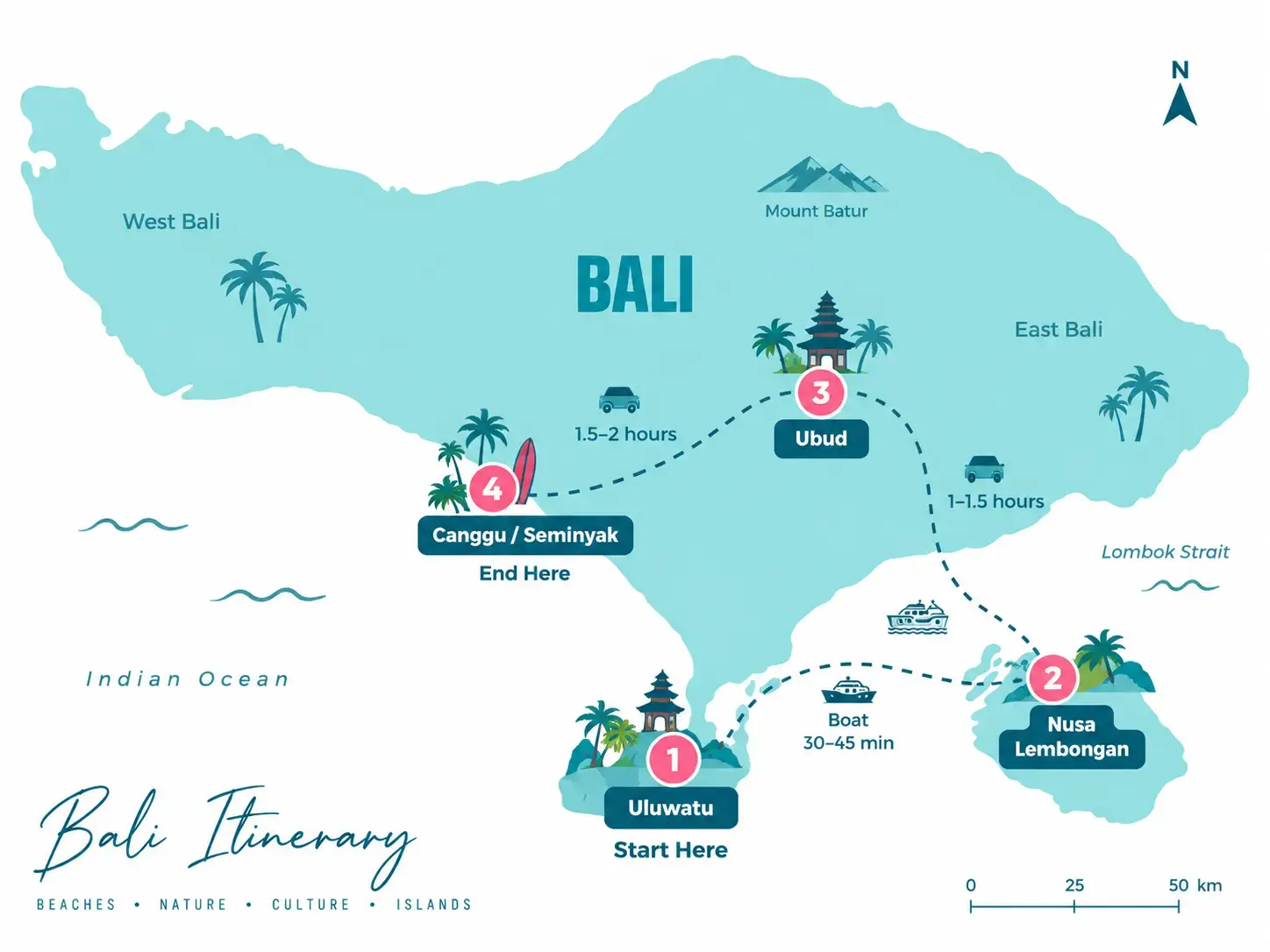
Bali looks small on a map. It isn't small in the car. Traffic, narrow roads, and long stretches of one-lane villages mean 20 kilometres can take an hour. Changing hotels every night multiplies that pain.
A hub-and-spoke approach solves this. Pick two to four bases, stay a few nights in each, and take day trips from there instead of constantly repacking.
Bali splits naturally into three zones for this purpose:
South Bali — Uluwatu, Canggu and Seminyak. Beaches, surf, beach clubs, cafes, and the biggest concentration of restaurants and nightlife on the island.
Central Bali — Ubud. Rice terraces, temples, art markets, and a slower pace.
The Islands — Nusa Penida and Nusa Lembongan, reached by fast boat. Cliffside lookouts, snorkelling, and quieter beaches.
Most itineraries move through these zones in one direction, rather than backtracking. That single decision saves hours of driving.
Realistic Travel Times Between Bali's Regions
Google Maps distances are misleading in Bali. The numbers below reflect typical drive times, not straight-line distance.
Peak traffic — roughly 8–10am and 4–7pm — can add 30 minutes or more to any of these. Build that buffer in, especially before flights.
Getting Around Bali
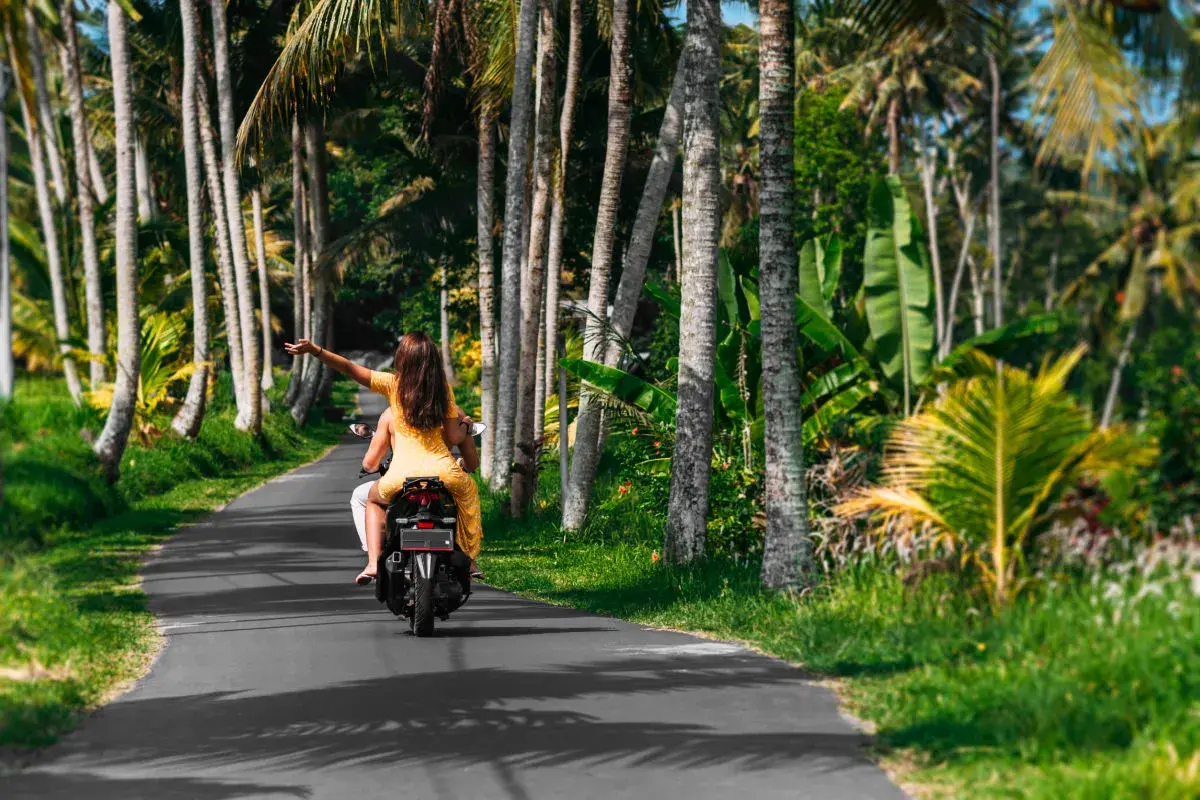
Three options cover most of the island.
Scooter rental is cheap and flexible, but Bali's traffic and road conditions are genuinely risky for inexperienced riders. An international driving permit is required by law.
Private drivers commonly charge around IDR 600.000-850.000 per day, depending on the itinerary, vehicle, and duration. For longer sightseeing days or trips covering multiple areas, confirm the price and inclusions with the driver before booking.
Grab and GoJek work well for short trips, but pickup is restricted or banned in some areas, including parts of central Ubud and Canggu, due to local taxi agreements. Walking a short distance to a main road often solves this.
A 7-Day Bali Itinerary
A week in Bali is enough to experience a mix of beaches, culture, nature, and nightlife without changing hotels every night. The easiest approach is to use two main bases, spending the first part of the trip in South Bali and the second part in Ubud.
Days 1–3: Uluwatu and South Bali
Day 1 — Arrive and Settle In
Keep the first day light, especially if you arrive in Bali after a long flight.
Morning / Afternoon: Arrive at Ngurah Rai International Airport and travel to Uluwatu. Check in, unpack, and take some time to settle into the area.
Late Afternoon: Explore a nearby beach or find a relaxed spot around the Bukit Peninsula. There is no need to plan a full sightseeing schedule on arrival day.
Evening: Have dinner near your accommodation and enjoy a relaxed first night. Keeping the evening flexible also gives you time to recover from the journey.
Day 2 — Beaches and the Bukit Peninsula
Morning: Start with one of Uluwatu's beaches, such as Padang Padang or Bingin. Morning is a practical time for beach visits before the strongest afternoon heat.
Afternoon: Take your time around the Bukit Peninsula rather than trying to visit several distant attractions. Stop for lunch and leave some room to relax.
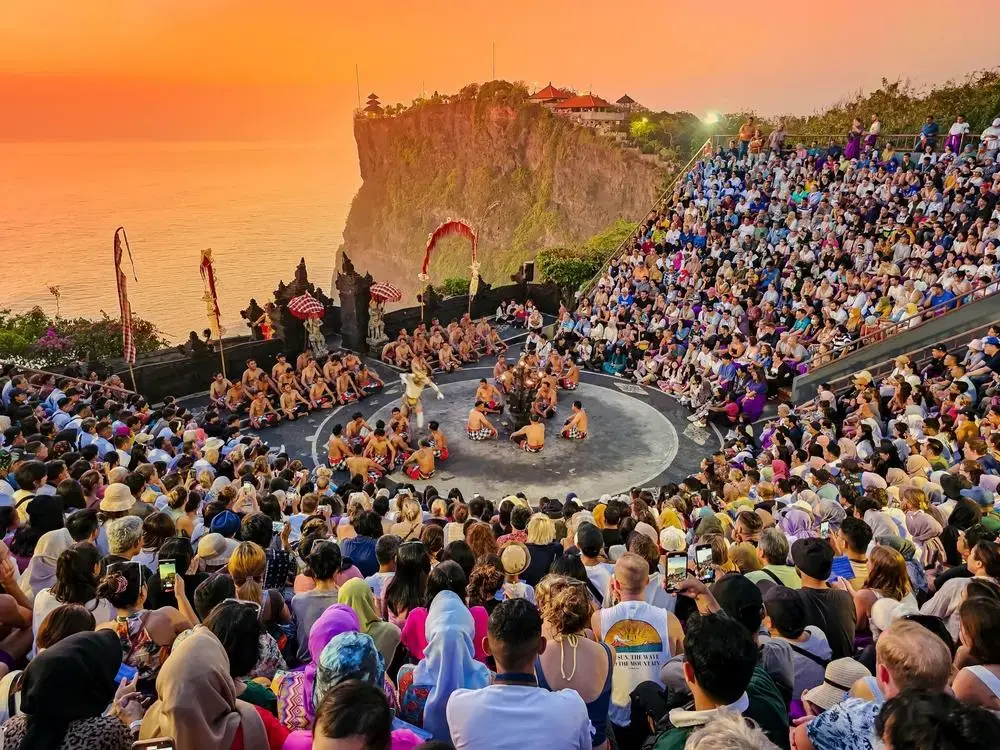
Sunset: Head towards the Uluwatu Temple area for the sunset atmosphere and, if it fits your schedule, the Kecak Dance performance.
Evening: After the temple and sunset, continue with dinner or a more relaxed evening in Uluwatu rather than immediately returning to the hotel.
Day 3 — Slow South Bali Day
Use the third day to slow down rather than adding another long excursion.
Morning: Choose a beach, café, or nearby activity based on your interests. This is also a good opportunity to leave the schedule open.
Afternoon: Have a long lunch and spend the afternoon relaxing around your accommodation or exploring another nearby part of the Bukit Peninsula.
Sunset: Pick a sunset spot close to where you are staying instead of crossing Bali for another attraction.
Evening: Enjoy dinner and explore Uluwatu after dark. Keeping this evening flexible makes the itinerary feel less like a checklist.
Days 4–6: Ubud
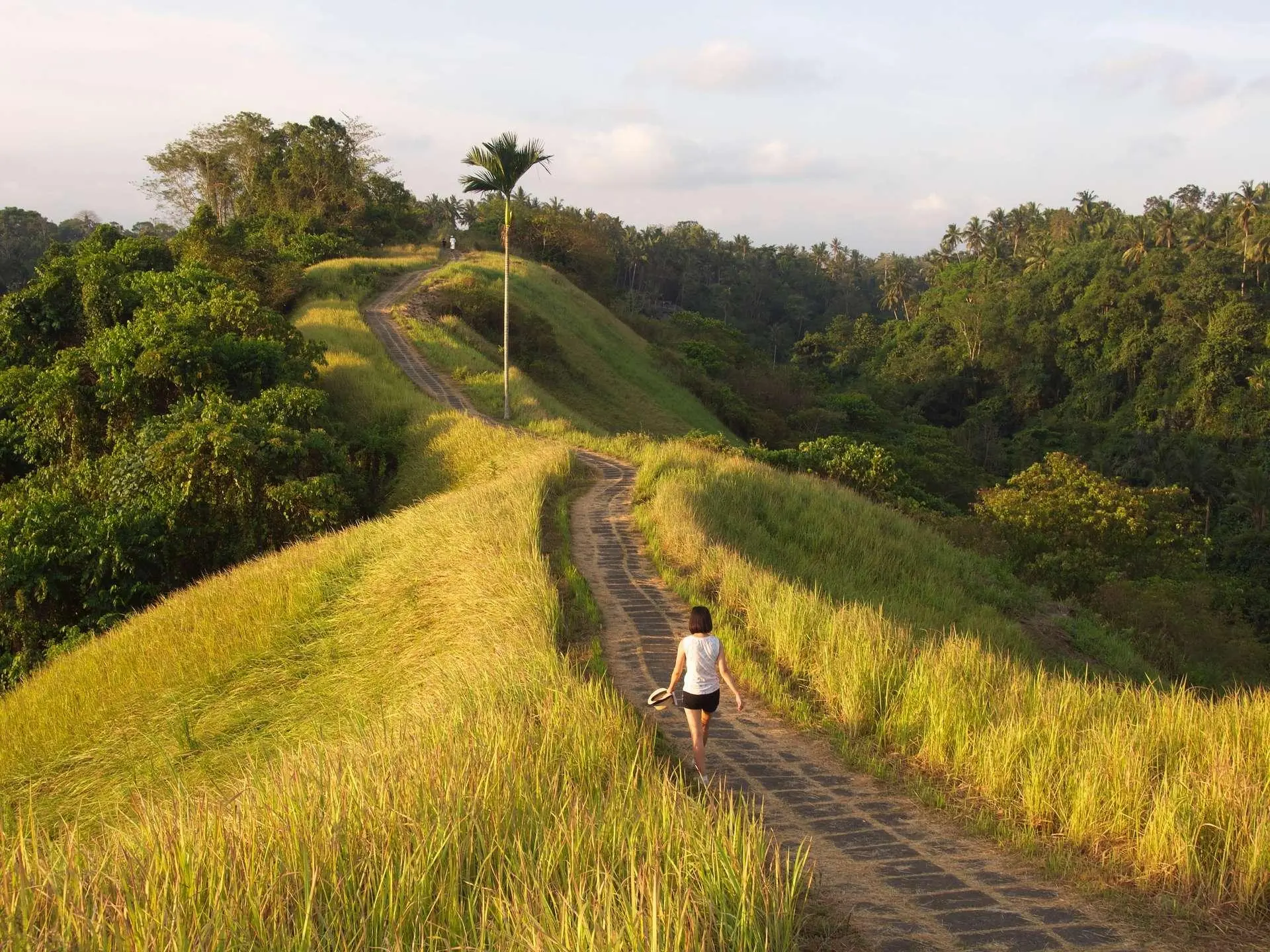
On Day 4, move from Uluwatu to Ubud and use the rest of the day for a lighter introduction to the area.
Day 4 — Travel to Ubud and Explore the Center
Morning: Check out from your Uluwatu accommodation and travel to Ubud. Allow extra time for the journey because traffic can make the trip significantly longer than the distance on the map suggests.
Afternoon: Check in and explore the central Ubud area at an easy pace. Walk around the streets near Ubud Palace, browse local shops, or stop for coffee.
Evening: Have dinner in Ubud and keep the rest of the night relaxed. After a transfer day, there is little benefit in adding a major attraction.
Day 5 — Rice Terraces, Temples, and Nature
Morning: Start early with Tegalalang Rice Terrace or another northern Ubud attraction. Morning is generally more practical for outdoor sightseeing and helps avoid spending the hottest part of the day on excursions.
Afternoon: Continue with a nearby temple, waterfall, or nature stop rather than crossing back and forth through Ubud. Have lunch along the route before returning towards town.
Evening: Return to Ubud for dinner and a slower evening. If you want a break from sightseeing, this is a good night to simply enjoy the town.
Day 6 — Ubud at a Slower Pace
Morning: Visit the Sacred Monkey Forest or walk around the Campuhan area. Choose one or two activities rather than trying to fit every Ubud attraction into a single day.
Afternoon: Leave the afternoon open for a long lunch, café stop, spa treatment, or additional exploration around central Ubud.
Sunset / Evening: Spend the evening in Ubud. A slower final night gives you time to enjoy the area's restaurants and atmosphere without worrying about another long transfer.
Day 7 — Canggu or Seminyak Before Departure
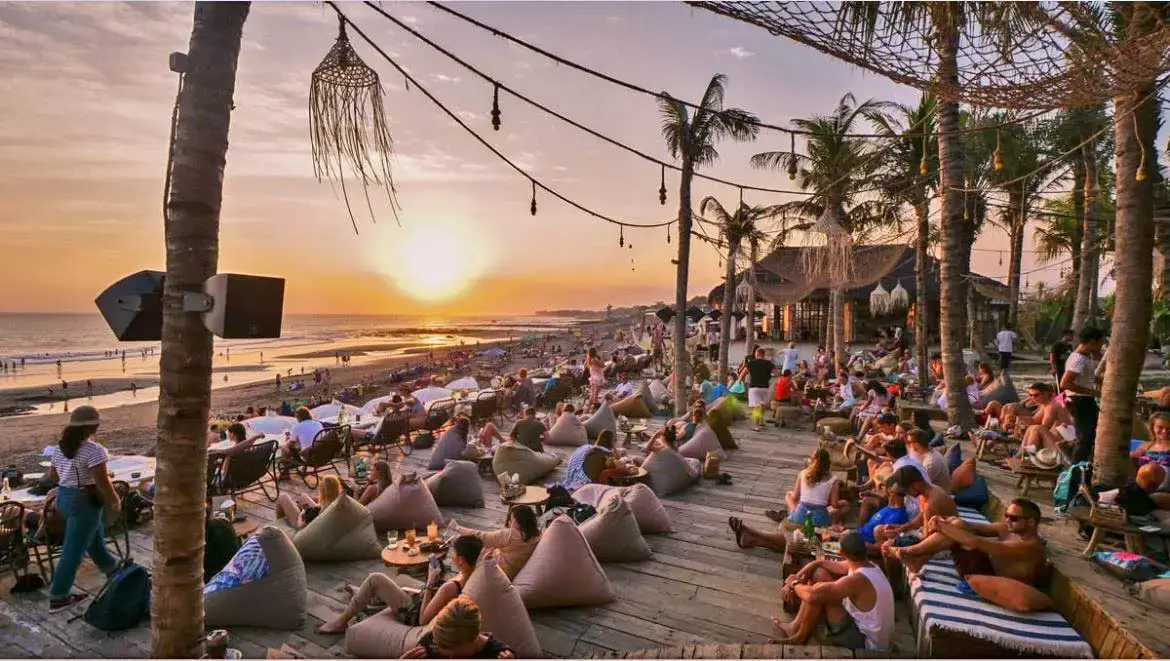
If your flight leaves later in the day, move closer to the airport rather than planning another full-day excursion.
Morning: Check out from Ubud and travel towards Canggu or Seminyak, depending on your preferred atmosphere and departure route.
Afternoon: Have lunch, visit a café, browse shops, or spend a few hours near the beach. Keep the schedule flexible and avoid activities that require a long journey.
Evening: If your flight is late, enjoy an early dinner before heading to the airport. Allow a generous buffer for the journey, especially during busy traffic periods.
Why This Route Works
This 7-day Bali itinerary keeps the trip focused on two main bases instead of constantly changing hotels. Uluwatu provides the beach and sunset portion of the trip, while Ubud adds culture, nature, and a slower atmosphere.
More importantly, the schedule leaves room between major activities. In Bali, a less crowded itinerary can often mean seeing more because you spend less of your holiday sitting in traffic.
Extending to 10 Days
Add a two-night stay on Nusa Penida or Nusa Lembongan between the Uluwatu and Ubud legs.
Book the fast boat from Sanur in advance, especially in peak season. Sea conditions can cancel or delay departures, so avoid scheduling a boat transfer on the same day as a flight.
Extending to 14 Days
With two extra weeks, slow the pace in each base by a day or two, and add a quieter region such as Sidemen or Munduk.
Both offer mountain views, rice terraces, and a noticeably lighter crowd than Ubud, making them a good reset before heading home.
Where to Stay in Each Region
Choosing where to stay can shape your entire Bali itinerary. Instead of picking a hotel based only on how close it looks to an attraction, choose a base that matches the type of trip you want.
For a first visit, staying in two or three different areas is often more practical than using one hotel for the entire trip. This reduces long cross-island journeys while giving you a different experience in each part of Bali.
Uluwatu — For Beaches, Cliffs, and a Slower South Bali Stay
Uluwatu is a good base if you want to focus on beaches, dramatic cliffs, sunsets, and the southern Bukit Peninsula.
The area works particularly well for travellers who prefer a more relaxed atmosphere than the busier parts of Canggu or Seminyak. Beaches such as Padang Padang and Bingin are nearby, while Uluwatu Temple provides one of the area's main sunset experiences.
Choose Uluwatu if you want:
- Easy access to South Bali beaches
- Cliff views and sunset spots
- A slower pace between sightseeing days
- Surfing and beach time
- Evening plans without staying in the busiest nightlife areas
The trade-off is location. Uluwatu is in the southern part of Bali, so travelling to Ubud or northern Bali can take significantly longer than the map suggests.
Canggu — For Cafés, Social Life, and a More Modern Bali Experience
Canggu suits travellers who want a combination of cafés, restaurants, beach time, social activities, and a lively day-to-night atmosphere.
It is particularly popular with digital nomads and travellers who enjoy spending part of the day working or relaxing in cafés before going out in the evening. The area also makes a useful base for exploring parts of southwest Bali.
Choose Canggu if you want:
- A strong café and restaurant scene
- A social atmosphere
- Beach clubs and nightlife
- Coworking and remote-work options
- A balance between daytime activities and evenings out
The trade-off is traffic. Roads around Canggu can become slow during busy periods, so short distances should not automatically be treated as quick journeys.
Seminyak — For Dining, Shopping, and Easy Evenings
Seminyak is a practical choice for travellers who want restaurants, boutiques, cafés, and nightlife within a relatively concentrated area.
Compared with Canggu, the atmosphere is more established and polished, making it suitable for travellers who want to combine beach time with dining and shopping.
Choose Seminyak if you want:
- Restaurants and cafés within easy reach
- Shopping and boutiques
- A lively evening atmosphere
- Beach access without staying in the far south
- A convenient base for a shorter Bali trip
Seminyak can also work well at the beginning or end of a trip because of its position between the airport and other southern areas.
Ubud — For Culture, Nature, and a Slower Pace
Ubud is the natural choice for travellers who want to experience Bali beyond the beach.
The area provides access to rice terraces, temples, forests, waterfalls, art, and cultural attractions. It also works well as a base for exploring several attractions in central and northern Bali.
Choose Ubud if you want:
- Rice terraces and nature
- Temples and cultural attractions
- Art and local crafts
- A slower atmosphere
- Wellness, cafés, and relaxed evenings
Ubud is not a beach destination, so combining it with a South Bali base can give first-time visitors a more varied itinerary.
Nusa Penida or Nusa Lembongan — For an Island Extension
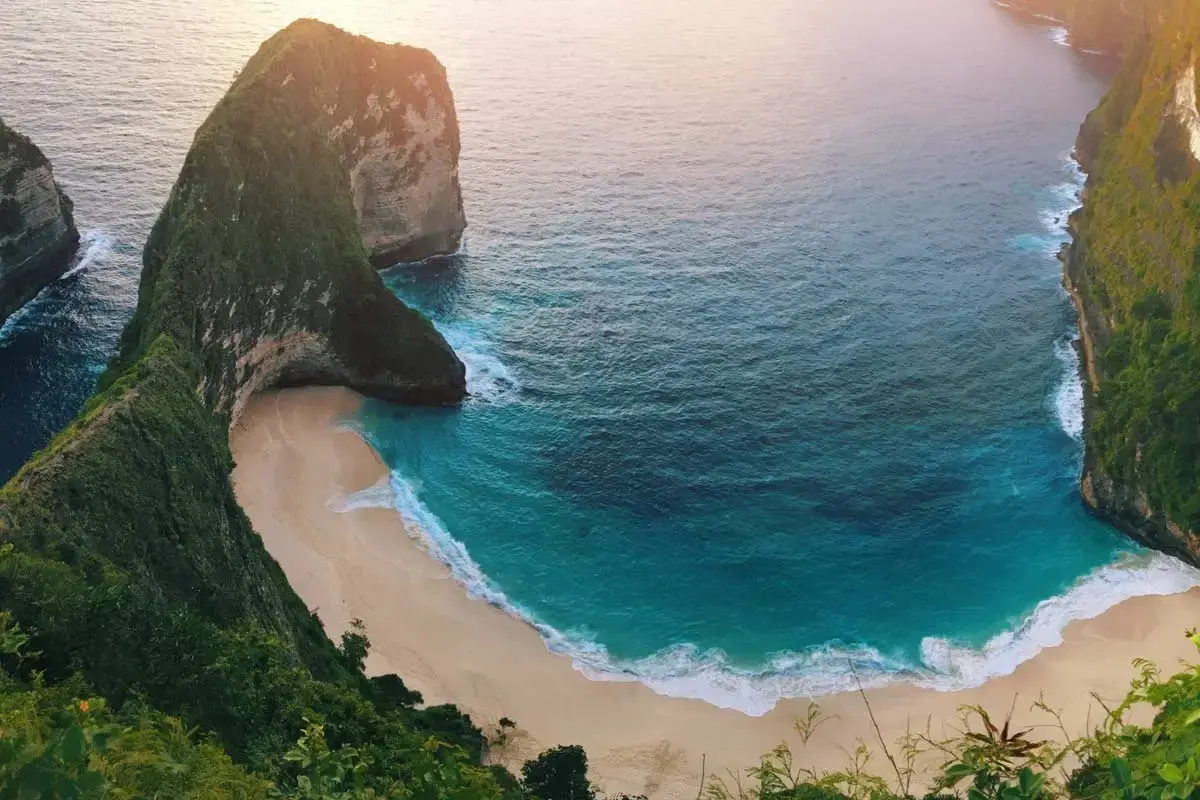
The Nusa Islands are better treated as an optional overnight extension rather than a base for exploring mainland Bali.
Staying for two or three nights can make an island trip feel less rushed than trying to visit as a day trip. Fast boats connect the islands with Bali, but sea conditions can affect schedules, so avoid placing a boat transfer immediately before an international flight.
Choose the Nusa Islands if you want:
- Island scenery and dramatic coastal views
- Snorkeling and beach activities
- A break from mainland Bali
- A more excursion-focused part of the itinerary
For a 7-day trip, the islands are optional. For a 10-day itinerary, adding two or three nights can provide more breathing room without requiring you to add another mainland base.
How to Choose Your Bases
A simple way to plan is to match each base with a different part of your trip:
For most first-time visitors, the important decision is not finding the “best” area. It is choosing bases that work together geographically.
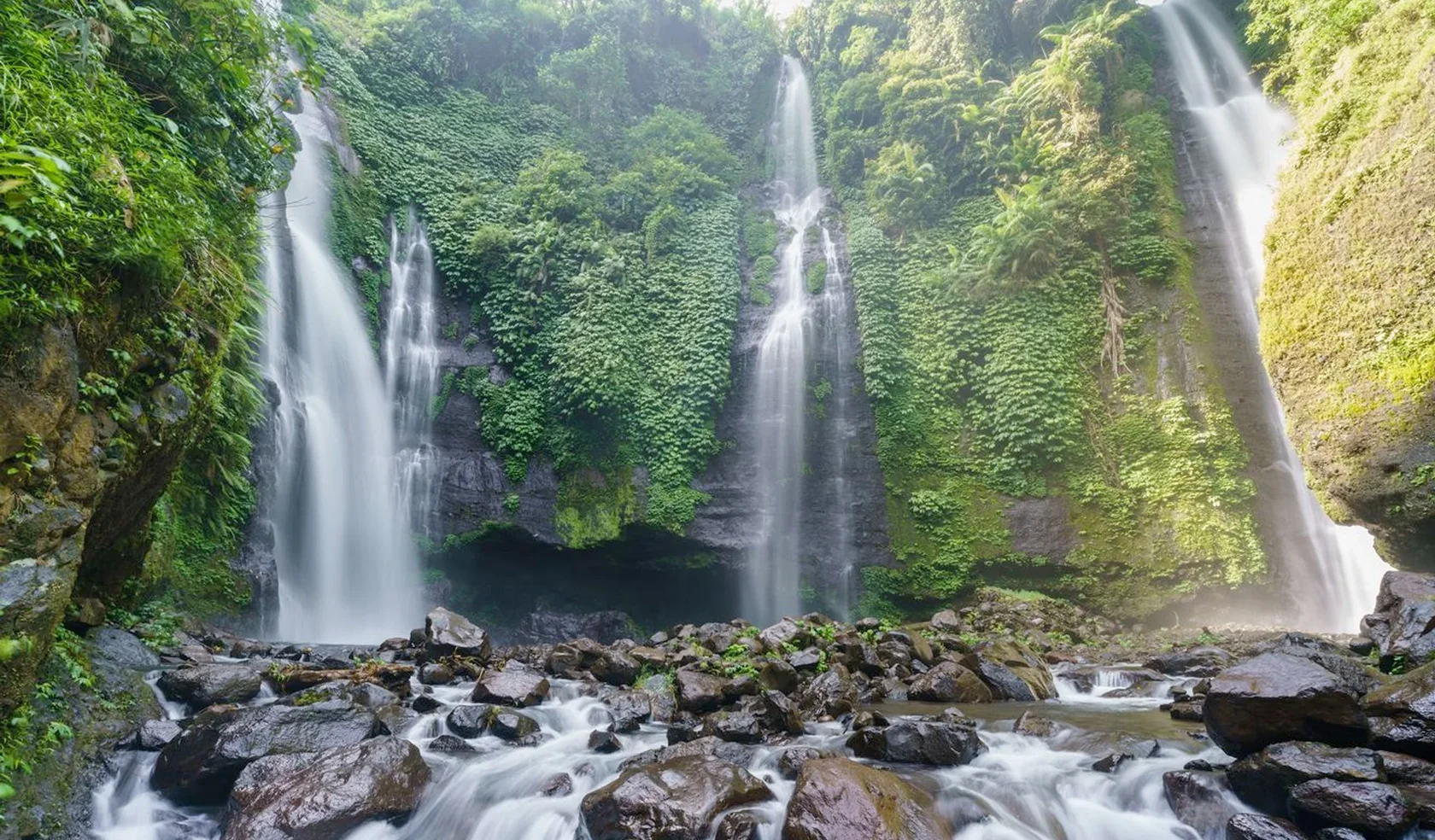
A few named places from the list above are popular enough to plan around properly. Here is what each one actually involves — the route, the timing, the cost, and what to prepare.
Sekumpul Waterfall
Sekumpul sits in the hills near Munduk, North Bali — roughly 2 to 2.5 hours from Ubud or South Bali, and closer to an hour from Lovina in the north.
Three entry options are sold at the car park: a view-only ticket (around IDR 20\,000) for a distant look, a medium trek (around IDR 125,000–150,000) and a long trek (around IDR 200,000–250,000). Both treks include a mandatory local guide, since the path involves steps and river crossings.
Allow half a day in total, including the drive. Bring proper walking shoes, a change of clothes, and cash, since cards aren’t accepted on-site.
Mount Batur Sunrise Trek
Mount Batur is in the Kintamani highlands, about an hour’s drive from Ubud or two hours from South Bali.
The trek usually starts around 2–3am to reach the summit before sunrise, taking roughly two to four hours round trip at a moderate pace. Guided sunrise tours, including hotel transfer and a simple breakfast at the top, typically run from around IDR 300.000 per person.
A guide is strongly recommended. The trail isn’t lit, and conditions near the crater can change quickly.
Tegalalang Rice Terrace
Tegalalang sits just north of Ubud, a short drive from the town centre.
Entry runs around IDR 15,000–25,000 per person, plus a small parking fee, paid at donation-style booths along the path. Swings and photo platforms cost extra, from roughly IDR 100,000 upward.
An hour or two is enough for most visitors. Arriving before 9am means softer light and noticeably fewer people.
A Nusa Penida Day Trip
Nusa Penida covers Kelingking Beach, Broken Beach, Angel’s Billabong, and Crystal Bay, usually visited together as one full-day trip rather than separately.
The fast boat from Sanur takes 30–45 minutes and costs roughly IDR 150,000–300,000 each way, plus an island entry fee of around IDR 25,000. A private car and driver on the island costs approximately IDR 500,000–700,000 for the day, or an all-inclusive tour typically runs USD $50–100 per person.
Expect a long day, around 12 hours door to door, with rough roads between stops. Book the return boat in advance, especially in peak season.
Uluwatu Temple
Uluwatu Temple sits on the southern tip of the Bukit Peninsula, roughly 40–50 minutes from Kuta or Seminyak.
Entry costs around IDR 40.000–60,000, with a sarong included. The Kecak Fire Dance, held at sunset, is a separate ticket, usually IDR 100,000–150,000.
Allow one to two hours for the temple grounds, plus another hour for the dance. Arrive early to secure a seat, since shows can sell out in peak season.
Lempuyang Temple (“Gate of Heaven”)
Lempuyang is in East Bali, the furthest of these highlights from South Bali, at around two to two-and-a-half hours’ drive.
Entry costs roughly IDR 100,000, plus a mandatory shuttle bus (about IDR 50,000 return) from the car park to the temple gate. A sarong is included in the entry fee.
Photo queues at the gate can run two to four hours in the middle of the day. Arriving before 7am is the most reliable way to avoid the wait, with the full visit taking three to four hours including the drive.
What to Do at Night: Bali's Evening Scene Beyond Beach Clubs
Most Bali guides stop planning after sunset. Evenings quietly become “dinner, then bed” or “beach club, then bed” — with not much in between.
The good thing about Bali is that an evening does not always have to mean a big night out. Depending on where you stay, you can find somewhere to work, meet friends, watch a game, enjoy dinner, or simply slow down with a shisha.
Eden Hookah Club Uluwatu
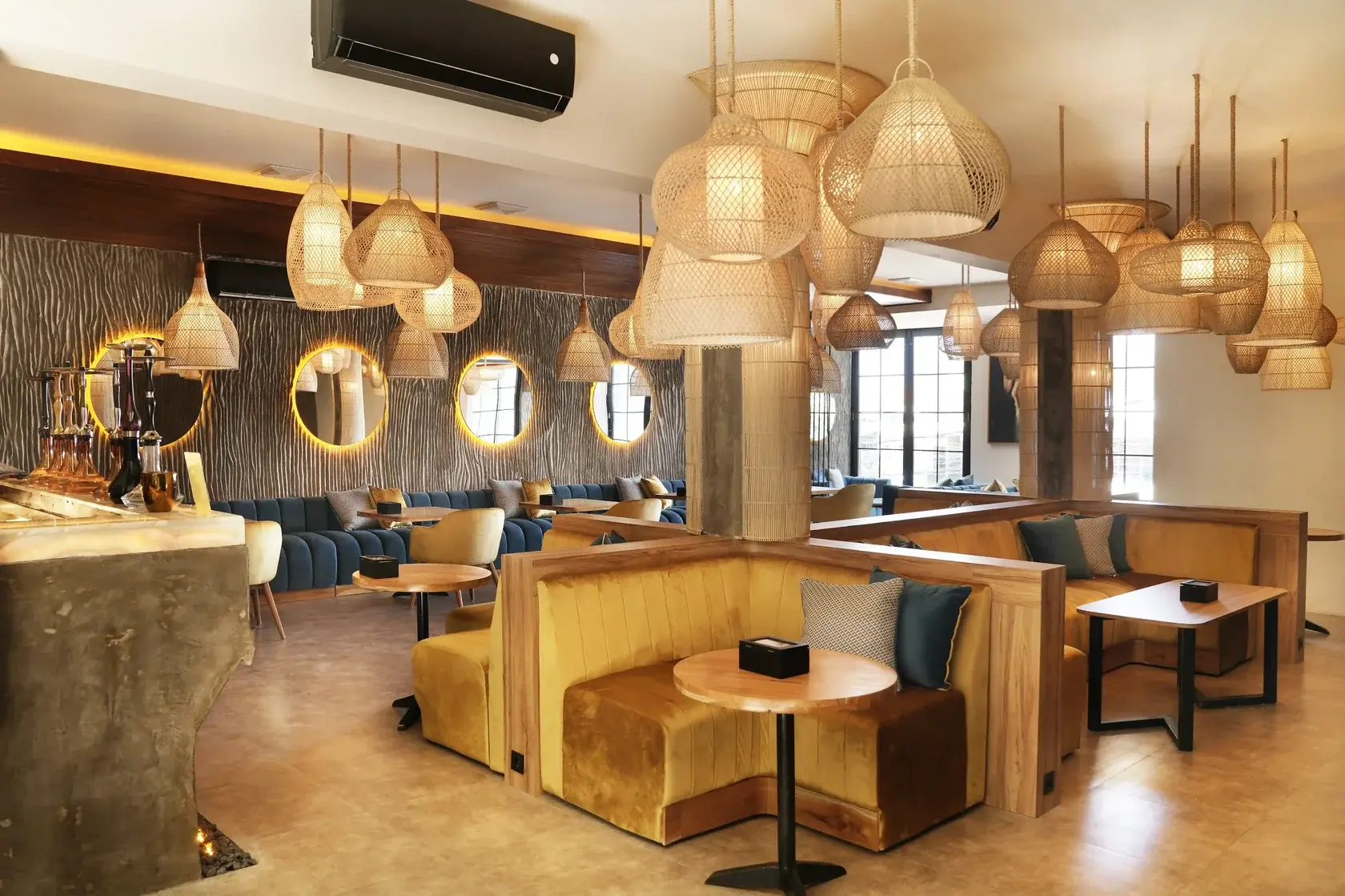
After watching the sunset or Kecak Dance at Uluwatu Temple, there is no need to call it a night just yet. Eden Lounge Uluwatu fits naturally into a slower South Bali evening, whether you want to continue with friends, enjoy some food and shisha, or stay out a little longer.
The lounge is open daily from 11am to 3am, with acoustic live music on Monday and Saturday, plus live music and open mic on Wednesday.
During the day, the space can also work as a casual coworking spot, making it easy to spend a few hours working before switching into holiday mode. Every table has a power outlet and Starlink Wi-Fi.
Eden Hookah Club Uluwatu
- Instagram: Eden Hookah Club Uluwatu
- Reservation: WhatsApp
- Open Daily: 11:00–03:00
- Google Maps: Eden Lounge Uluwatu
Eden Hookah Club Canggu
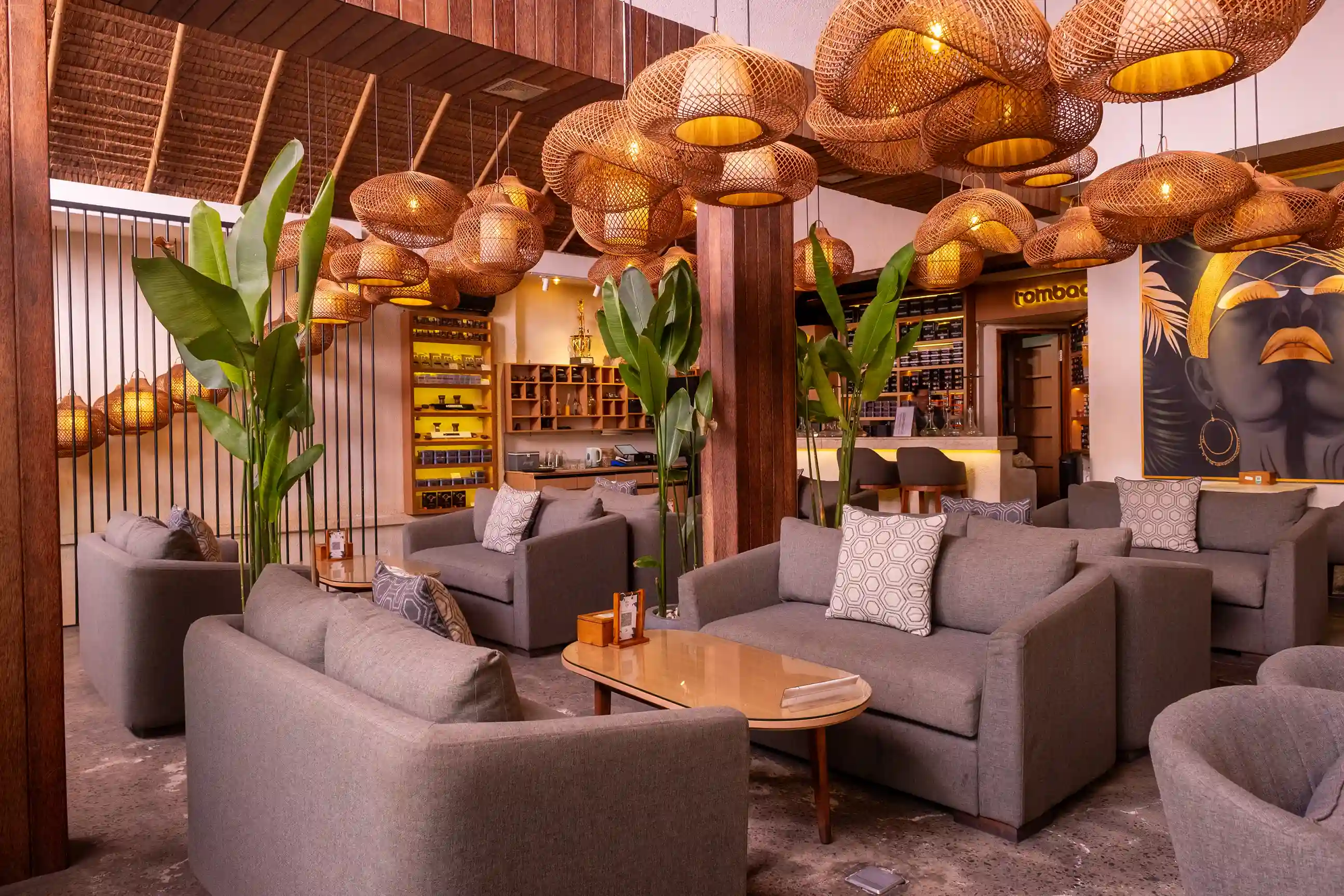
Canggu has a way of being lively without always feeling like a full night out. Eden Lounge Canggu fits that balance, making it a natural social hub for an afternoon hangout, pre-drinks, or a late-night catch-up with friends.
The atmosphere works well when you want somewhere to settle in rather than constantly move between venues. Order some food, enjoy shisha, catch up with friends, and let the evening unfold at its own pace.
During the day, Eden can also double as a relaxed coworking space, giving travellers a comfortable place to get some work done before the social side of Canggu takes over.
Eden Hookah Club Canggu
- Instagram: Eden Hookah Club Canggu
- Reservation: WhatsApp
- Open Daily: 10:00–03:00
- Google Maps: Eden Lounge Canggu
Eden Hookah Club Seminyak
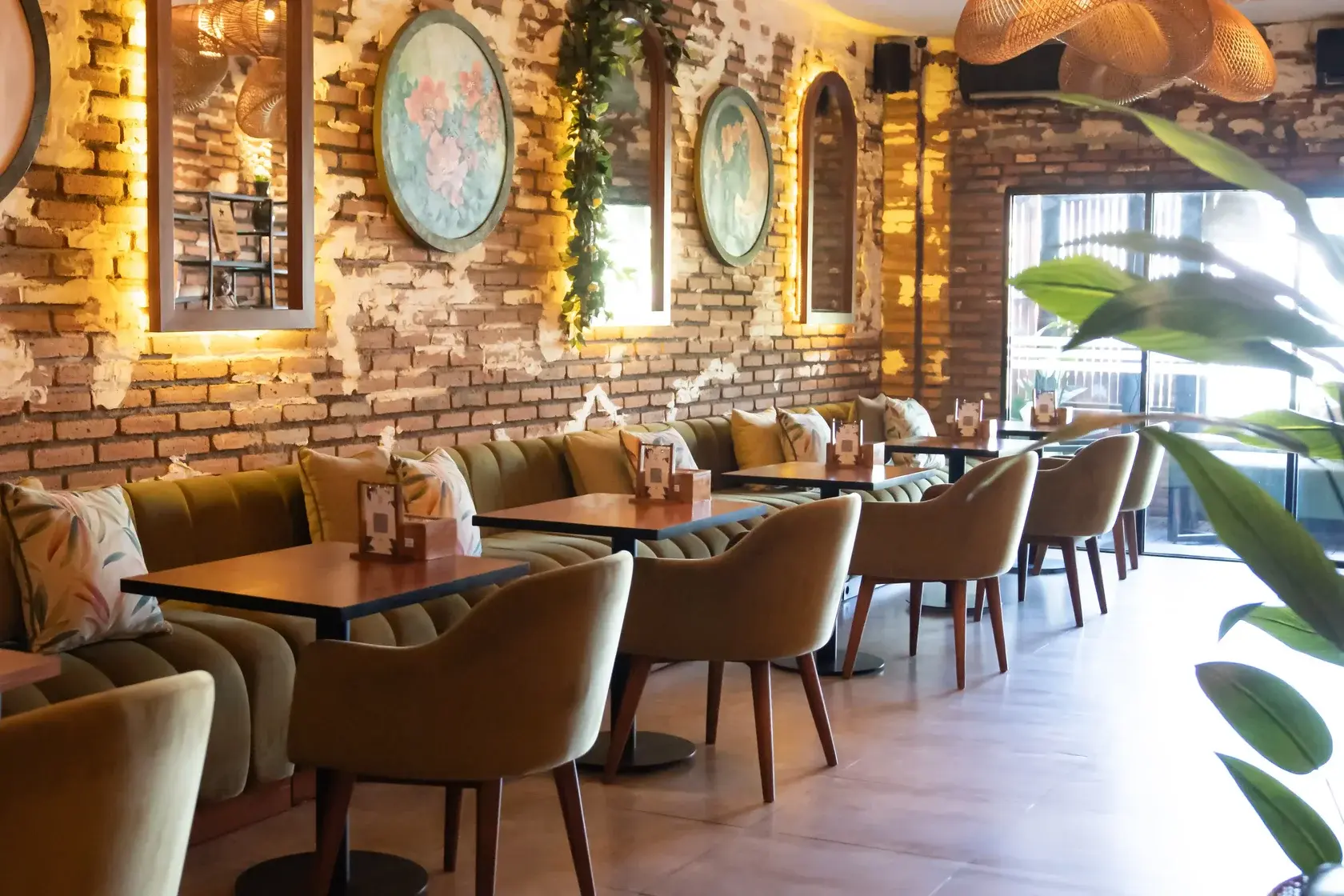
Seminyak's evenings tend to feel more dynamic and energetic, but you do not always have to spend the night moving between beach clubs.
At Eden Lounge Seminyak, one of the standout features is Eden Park, a poolside area designed around watching live sports. You can settle in with shisha while following events such as UFC, Formula 1, or Champions League football.
For groups looking for more privacy, an enclosed VIP room provides a more intimate setting. Like the other Eden locations, the space can also be used as a casual coworking spot during the day, making it easy to move from laptop time to evening plans without changing venues.
Eden Hookah Club Seminyak
- Instagram: Eden Hookah Club Seminyak
- Reservation: WhatsApp
- Open Daily: 10:00–03:00
- Google Maps: Eden Lounge Seminyak
Eden Hookah Club Ubud
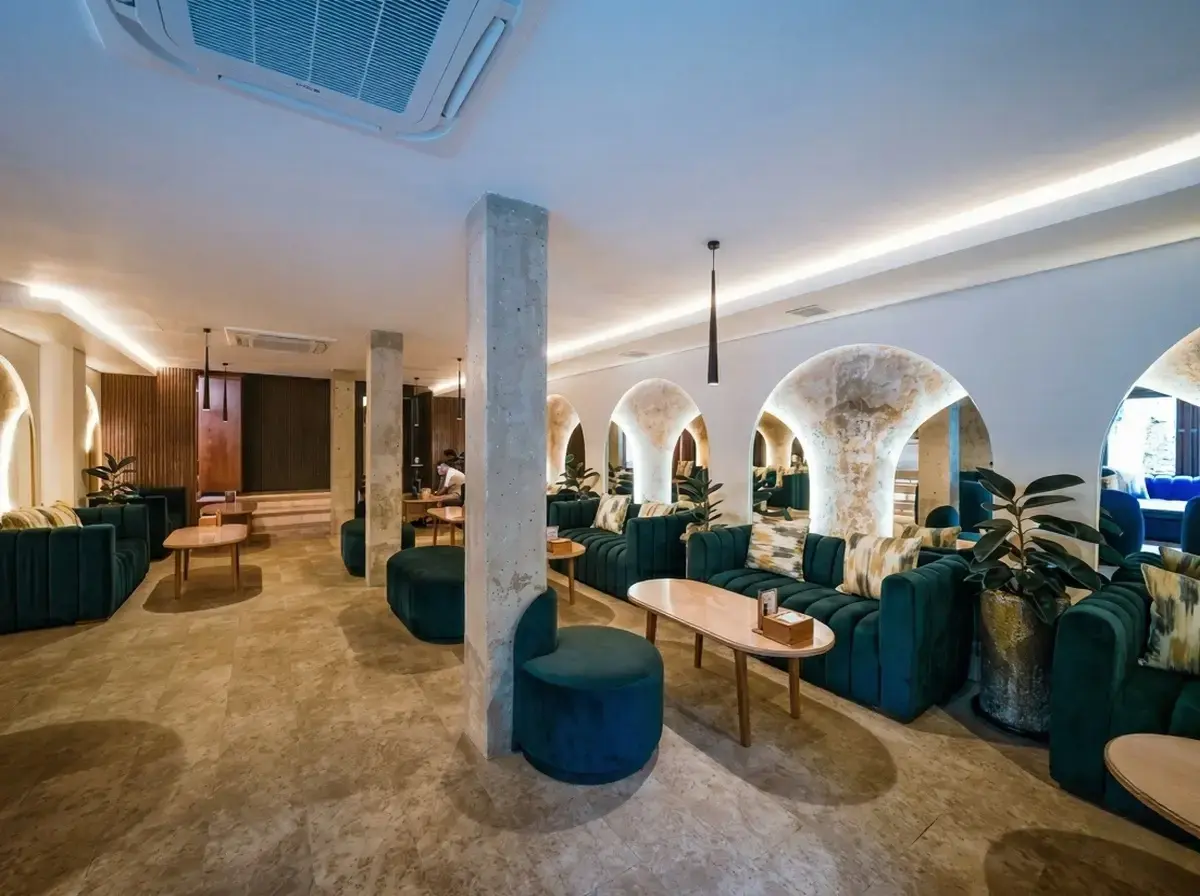
Ubud has a noticeably different rhythm after dark. After a day exploring temples, rice terraces, or taking a yoga class, many travellers prefer somewhere that allows them to slow down rather than add another busy activity.
Eden Lounge Ubud embraces that quieter side of Bali, with a natural setting and views towards a durian forest, located not far from Ubud Palace.
It is a comfortable option for a romantic dinner with a partner, a relaxed shisha session, or simply some well-earned me-time after a full day of exploring. During the day, the same relaxed atmosphere can also suit travellers looking for a casual place to work or spend a few quiet hours.
Eden Hookah Club Ubud
- Instagram: Eden Hookah Club Ubud
- Reservation: WhatsApp
- Open Daily: 12:00–02:00
- Google Maps: Eden Lounge Ubud
Practical Things to Know Before You Go
Tap water isn't safe to drink in Bali. Stick to bottled or filtered water, including for brushing teeth.
Temple visits require a sarong and sash, covering the knees and shoulders. Most temples rent these on-site for a small fee.
Popular photo spots get crowded. Pura Lempuyang ("Gate of Heaven") can involve waits of two to three hours for a photo. Arriving before 7am reduces the wait significantly.
"Bali belly" — travellers' stomach upset — is common enough to plan for. Avoid ice from unknown sources and be cautious with raw produce washed in tap water.
Putting Your Bali Itinerary Together
The right Bali itinerary isn't the one with the most stops. It's the one that respects how long Bali actually takes to move through.
Pick a hub-and-spoke structure, build in realistic travel time, and leave the evenings open for something other than another beach club. The regions, routes, and rhythm above should cover the planning — the rest comes down to personal taste.
And when the day's exploring is done, let the evening take its own pace. From a relaxed dinner in Ubud to live music in Uluwatu or sports and shisha in Seminyak, Eden Hookah Club offers a different way to spend your Bali evenings.
Explore the different locations and find one that fits your itinerary:
Frequently Asked Questions
How many days do you need in Bali?
Seven days is enough for a first trip, while 10–14 days allows more time for additional regions and a slower pace.
Is 7 days enough for Bali?
Yes. Focus on two main bases, such as South Bali and Ubud, instead of trying to cover the entire island.
Where is the best area to stay in Bali?
Uluwatu is ideal for beaches and sunsets, Canggu for cafés and social life, Seminyak for dining and shopping, and Ubud for culture and nature.
Is it better to stay in one place or change hotels?
For trips of a week or longer, two or three bases can reduce unnecessary travel and make exploring different regions easier.
What is the best way to get around Bali?
Scooters work well for experienced riders, while private drivers are useful for longer trips. Grab and GoJek are convenient for shorter journeys.
How long does it take to travel around Bali?
Travel times vary depending on traffic. Even relatively short journeys can take an hour or more during busy periods.
Should you visit Nusa Penida on a 7-day itinerary?
It is possible, but it makes the itinerary tighter. For a more relaxed trip, consider adding Nusa Penida to a 10-day itinerary.