Ubud Palace Guide: History, Best Times to Visit & Where to Chill After
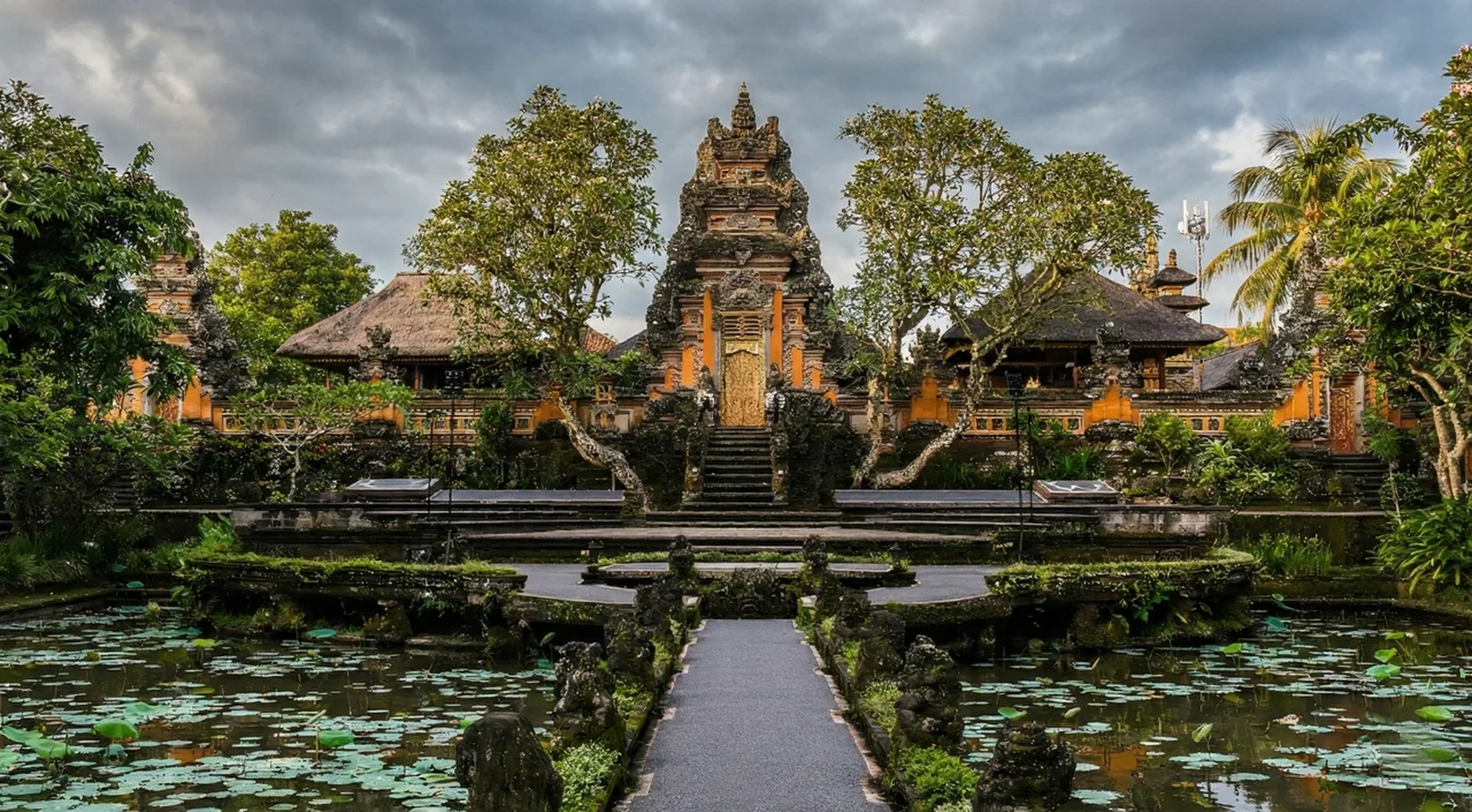
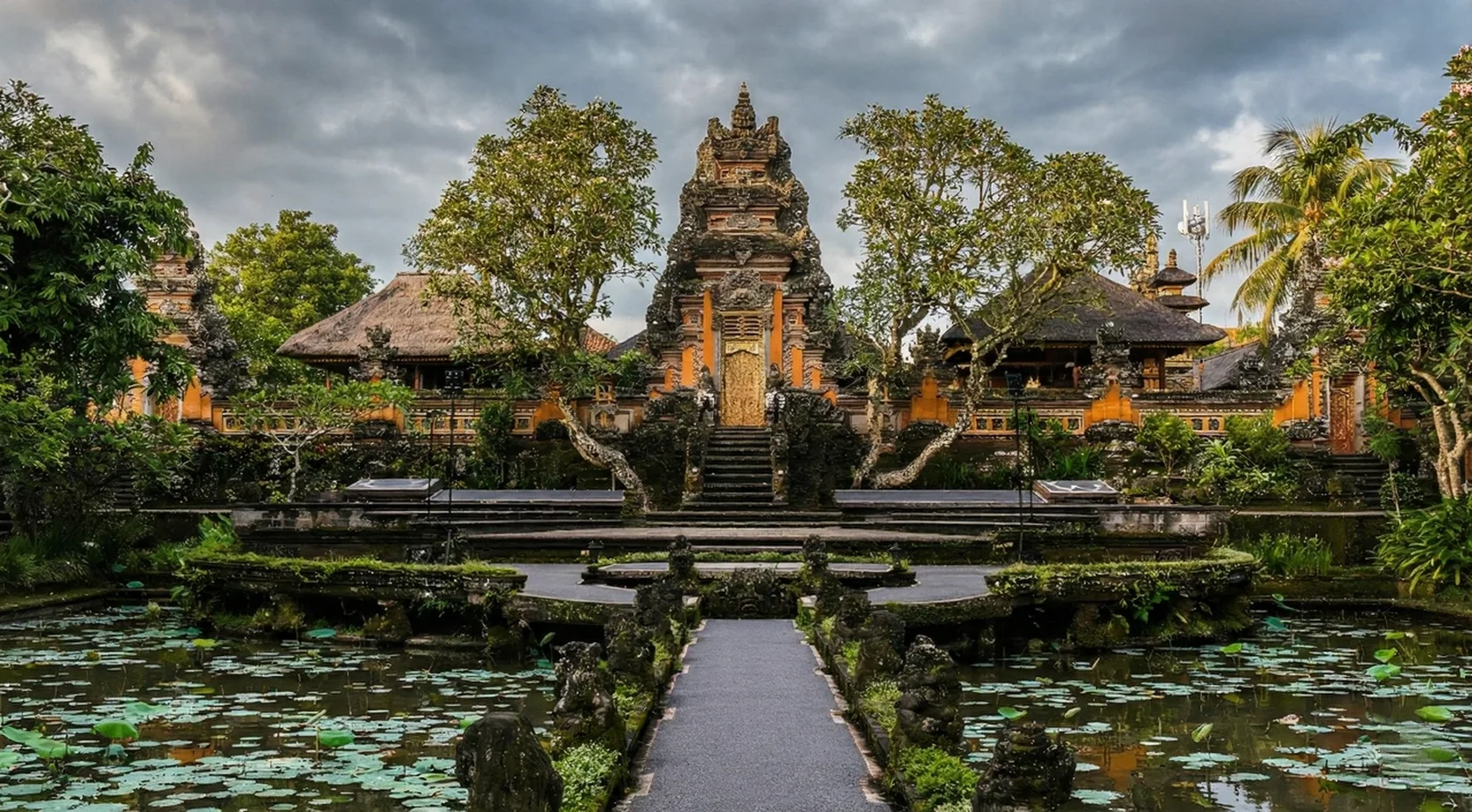
Ubud Palace (Puri Saren Agung) sits right in the heart of Ubud, and chances are you'll walk past it multiple times during your stay. This 19th-century royal residence isn't just another temple to tick off your list – it's a living piece of Balinese culture where traditional architecture meets daily local life. Whether you're a history buff or just trying to understand what makes Ubud special, spending time at the palace gives you real insight into Bali's royal heritage. In this guide, we'll cover everything you need to know: the best times to visit, what you'll actually see inside, and where to grab a drink and decompress after soaking in all that culture.
What Makes Ubud Palace Worth Visiting
Ubud Palace isn't your typical tourist trap. Unlike many historical sites that feel frozen in time, this place actually breathes with life. The palace still serves as the residence of Ubud's royal family, which means you're stepping into a space that's been continuously inhabited and maintained for over a century.
The architecture alone is worth the visit. Traditional Balinese design features intricate stone carvings, ornate gates, and pavilions that showcase the craftsmanship of local artisans from generations past. Every corner tells a story through detailed reliefs depicting Hindu mythology and royal lineage.
But what really sets the palace apart is its accessibility. You can explore the courtyards freely, get up close to the architecture, and genuinely feel the cultural weight of the place without dealing with heavy restrictions or crowds that make you feel rushed. The palace grounds connect directly to Ubud's main market and art shops, making it an easy addition to any Ubud itinerary.
Best Times to Visit Ubud Palace
Timing can make or break your palace experience. Early mornings between 8-10 AM are ideal if you want the place mostly to yourself. The soft morning light creates perfect conditions for photos, and you'll avoid both the midday heat and the tour bus crowds that typically roll in around 11 AM.
Late afternoons around 3-4 PM offer a different vibe. The temperature cools down, the light gets golden, and you might catch preparations for the evening's traditional dance performances. Speaking of which, the palace hosts Legong and Barong dance shows almost every night starting around 7:30 PM. These performances transform the courtyard into an open-air theater, and tickets usually run about 100,000 IDR.
Here's a pro tip: avoid visiting between 11 AM and 2 PM on weekdays. That's peak tour group time, and the intimate atmosphere disappears when you're competing with 50 other people for the same photo spot. Weekends can be busier with local visitors, but the energy is different – you'll see more Indonesian families and couples, which actually adds to the authentic feel.
What to Expect Inside Ubud Palace
The palace complex isn't massive, but it's thoughtfully laid out across several interconnected courtyards. The main entrance faces Ubud's central street, making it impossible to miss. Once you step through the ornate gateway, you're immediately surrounded by traditional pavilions called "bale".
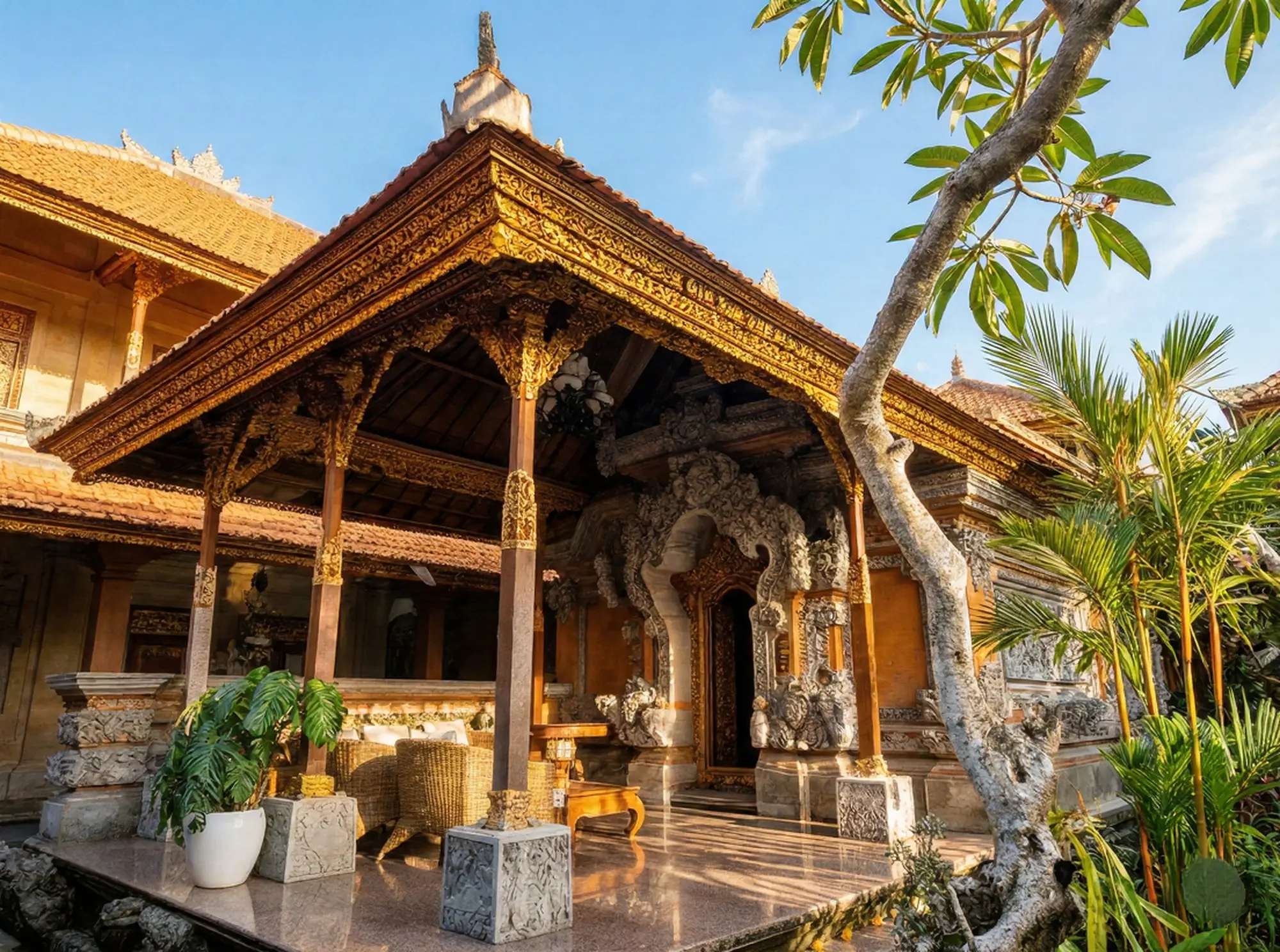
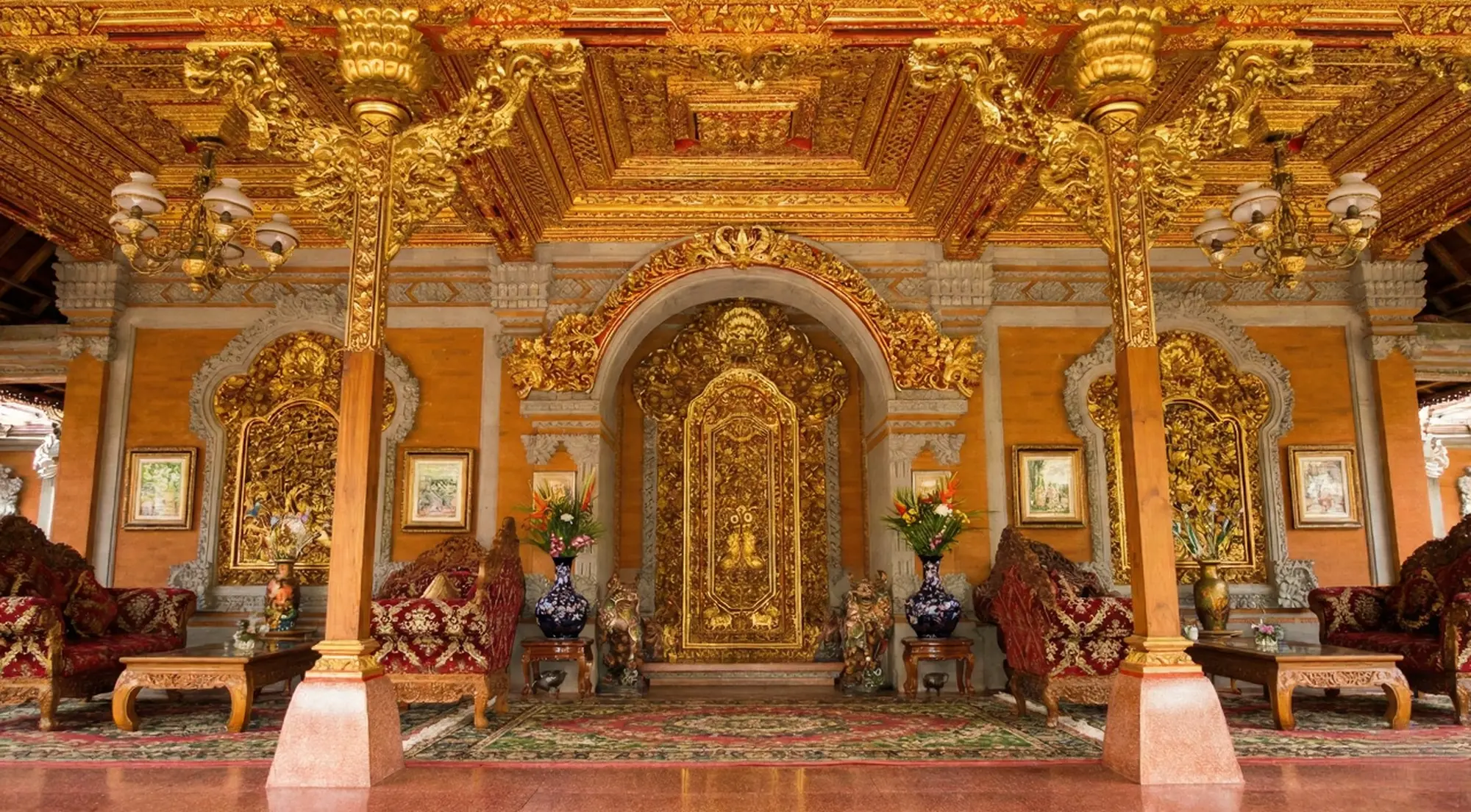
Each bale serves a different ceremonial or residential purpose. The architecture follows Balinese spatial philosophy, where building placement relates to the mountain-sea axis and cosmic balance. You'll notice the intricate detail work – gold leaf accents, hand-carved wooden doors, and stone guardian statues at every entrance.
Photography is generally allowed throughout the public areas, but show respect. Don't climb on structures, and if you see areas cordoned off or marked private, those are actual living quarters for the royal family. The palace is free to enter during the day, though donations are appreciated. If you're attending an evening dance performance, that requires a separate ticket.
Dress modestly – covered shoulders and knees are the standard temple etiquette, though the palace is slightly more relaxed than active temples. Still, showing up in a tank top and short shorts might get you some disapproving looks from locals.
How Long Should You Spend at Ubud Palace
A thorough visit typically takes 30-45 minutes if you're just exploring the architecture and taking photos. If you're really into the details and want to soak in every carving and corner, give yourself an hour. The beauty of Ubud Palace is that it's compact enough to see everything without feeling rushed, but detailed enough to reward slower exploration.
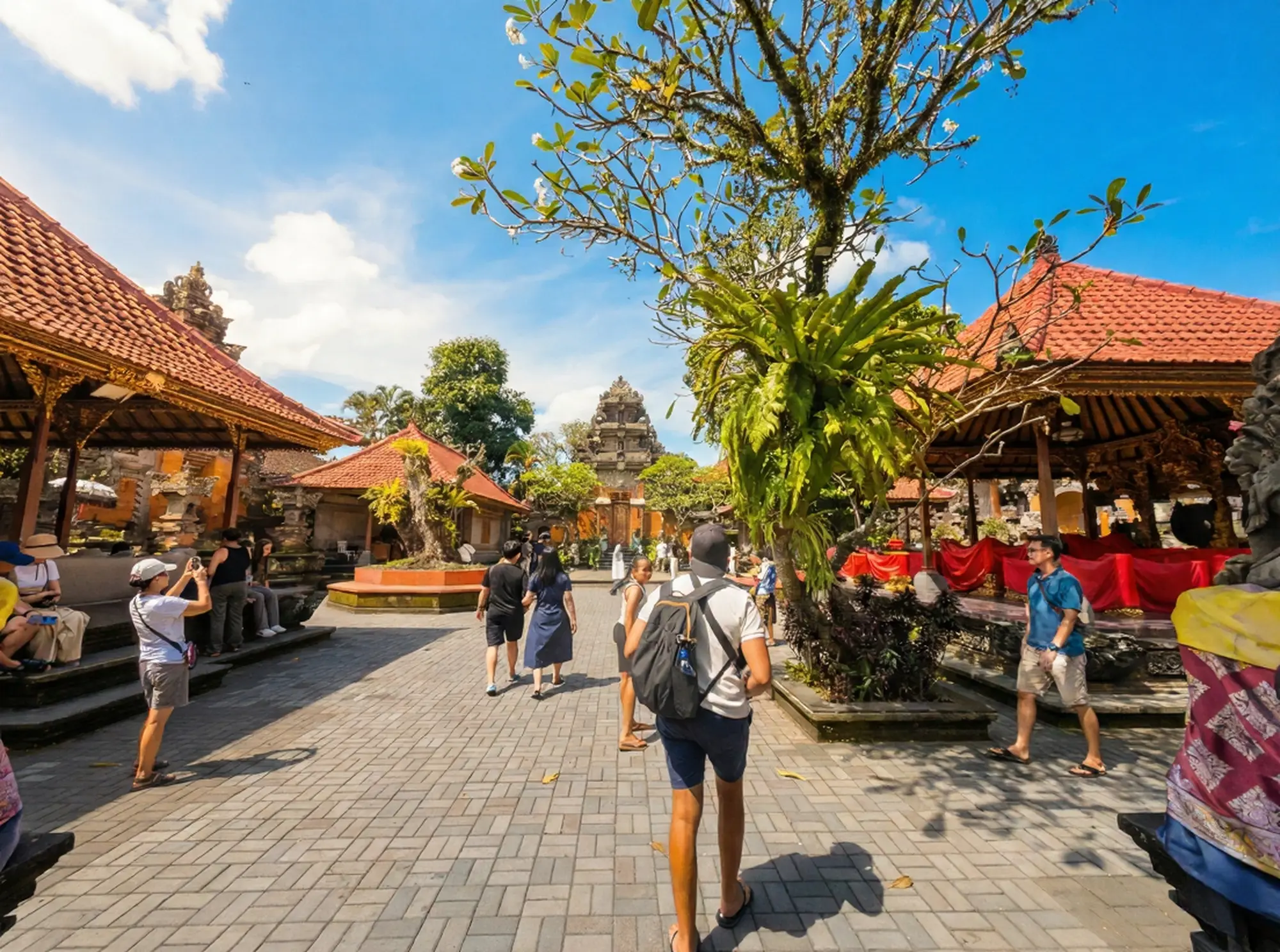
The palace sits at Ubud's cultural crossroads, which makes combining attractions effortless. Right across the street, you've got Ubud Art Market for shopping and people-watching. Walk five minutes in any direction, and you'll hit galleries, cafes, and more temples.
Consider this route: start with the palace in the early morning, browse the market while it's still cool, grab breakfast at one of Ubud's many cafes, then work your way toward other sites like Saraswati Temple or the Monkey Forest. By afternoon, you'll have covered Ubud's main cultural zone without exhausting yourself.
Where to Relax After Visiting Ubud Palace
After absorbing all that history and culture, you'll want somewhere to decompress that isn't another tourist-packed cafe. The area around the palace has plenty of options, but most are either overpriced tourist traps or generic coffee shops that could be anywhere.
What you need is a spot that maintains that cultural connection while actually letting you relax. Somewhere with atmosphere, comfortable seating, and a vibe that says "you're still in Bali" without being a cliché — the same kind of setting you’ll find in places known for elevated local dining, like this guide to Indonesian food in Ubud with a more refined, lounge-style experience.
After Soaking in Ubud's Royal History
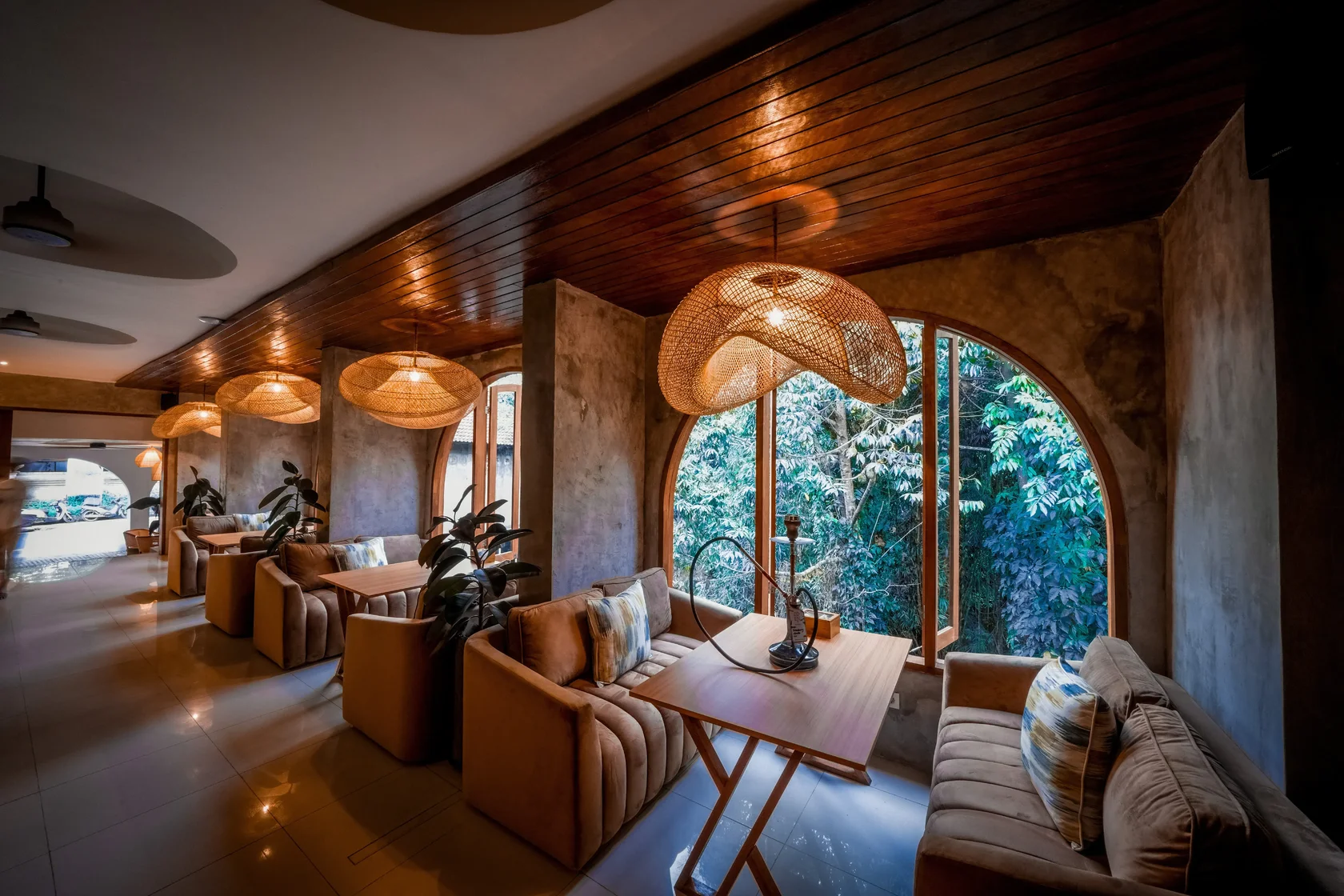
Head to Eden Hookah Club Ubud – just a short walk from the palace and only a quick scooter ride away. This isn't your typical post-temple destination, and that's exactly the point. While everyone else is squeezing into the same Instagram-famous cafes, you can actually breathe and process what you just experienced.
The jungle view lounge creates this perfect middle ground between Ubud's natural beauty and modern comfort. Sink into one of the plush seating areas, choose your favorite shisha flavor from the Eden Hookah Club menu, and let the day's adventures settle in. The vibe is chill without being boring, social without being loud, and the staff actually knows their shisha.
Whether you're traveling solo and want to meet other travelers, on a couples trip and need a romantic evening spot, or just exhausted from temple-hopping and craving air conditioning – Eden delivers. They're open daily until late, which means you can stop by after the evening dance performance at the palace and still have time to enjoy the atmosphere.
After a day of cultural immersion, sometimes you just need a comfortable seat, good conversation, and flavored smoke under the stars. Located conveniently in Ubud's center, Eden Hookah Club Ubud gives you that rare combination: close enough to everything that matters, but far enough from the chaos to actually relax. Not sure how to get there?. Find Eden Hookah Club Ubud on Google Maps and you’ll see it’s just an 8 minute walk or a quick 5 minute scooter ride from Ubud Palace.
See you there.